
Detention & Demurrage
Detention & Demurrage Software: Avoid D&D charges with BuyCo
BuyCo is detention and demurrage management software for shippers moving containerized freight at scale. It helps teams reduce D&D costs by calculating container free-time consumption in real time, flagging containers approaching or already incurring detention, demurrage, and storage charges, centralizing deviation evidence for disputes, auditing carrier invoices, and identifying the carriers, ports, and deviation types driving recurring costs.
Monitor Container Free Time, Detention, Demurrage and Storage Costs
With BuyCo, monitor container free-time consumption and detention, demurrage, and storage charges in real time from a single dashboard. Identify containers approaching the end of their contractual free time or already incurring charges so teams can take action before D&D costs escalate.
Live calculation of your containers’ free-time consumption and the associated D&D and Storage chargesD&D and Storage associated costs based on your tendersSearch easily your containers filtering by origin, destination, carrier, or booking numberManage container pooling by uploading containers that don’t have booking numbers and manage container pooling directly on the platform.
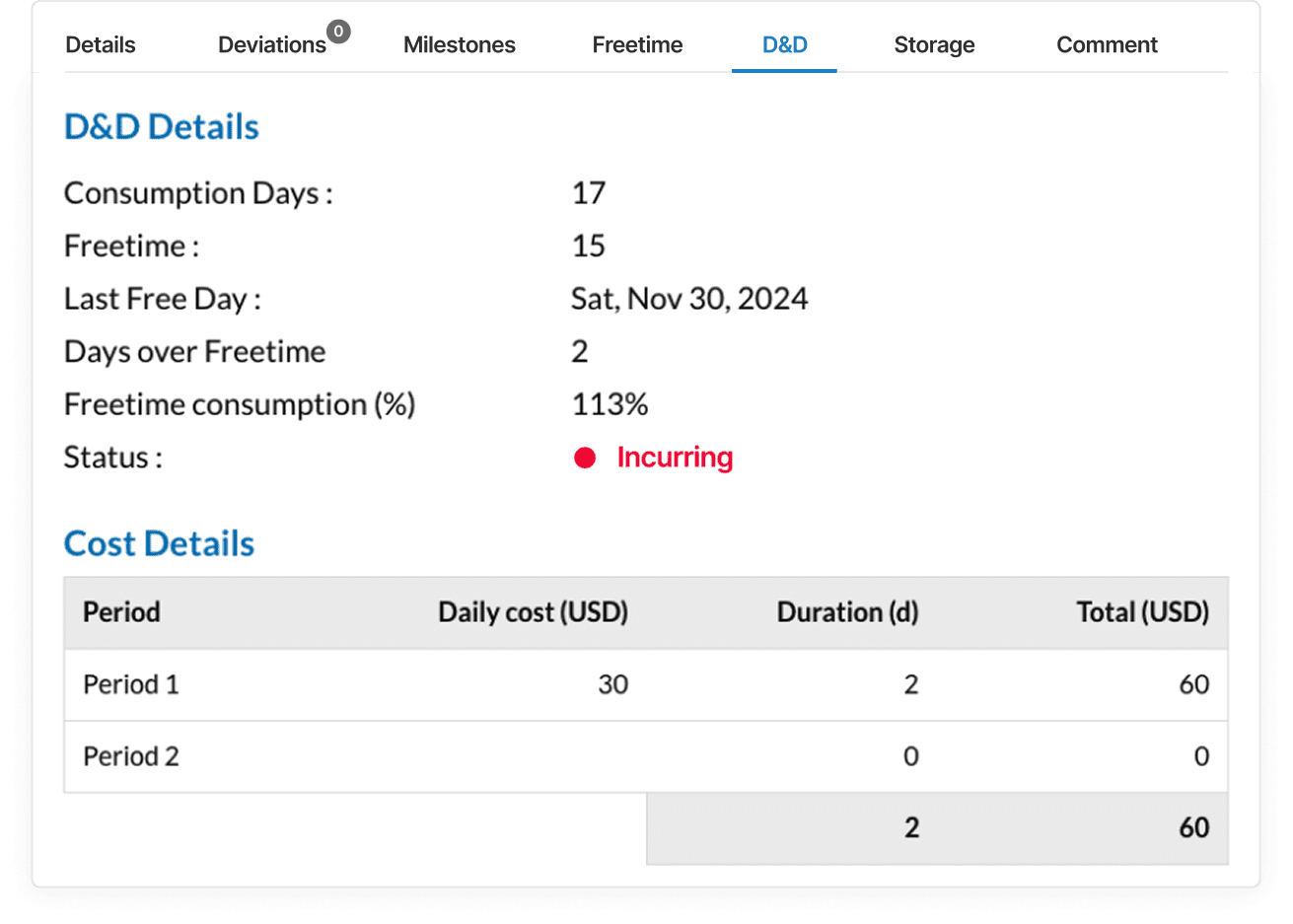
Details of Container D&D Costs
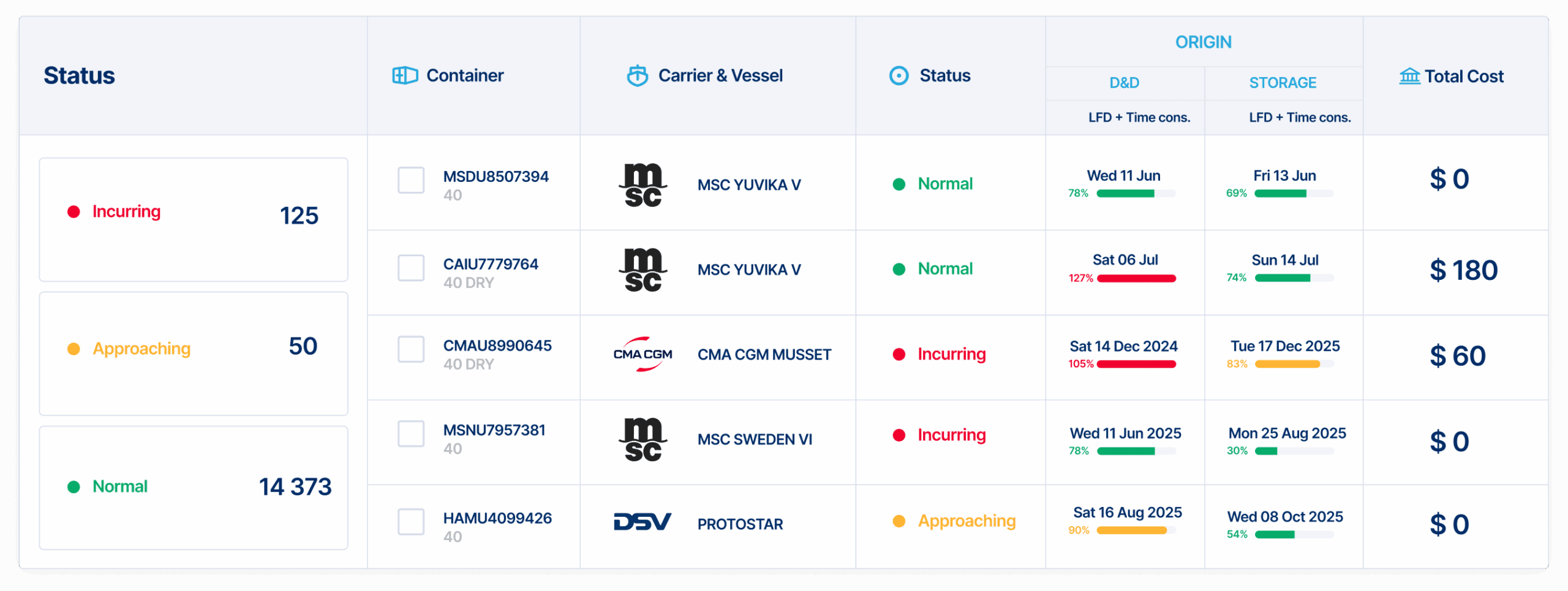
Dashboard with Container D&D status: Incurring, Approaching, and Normal
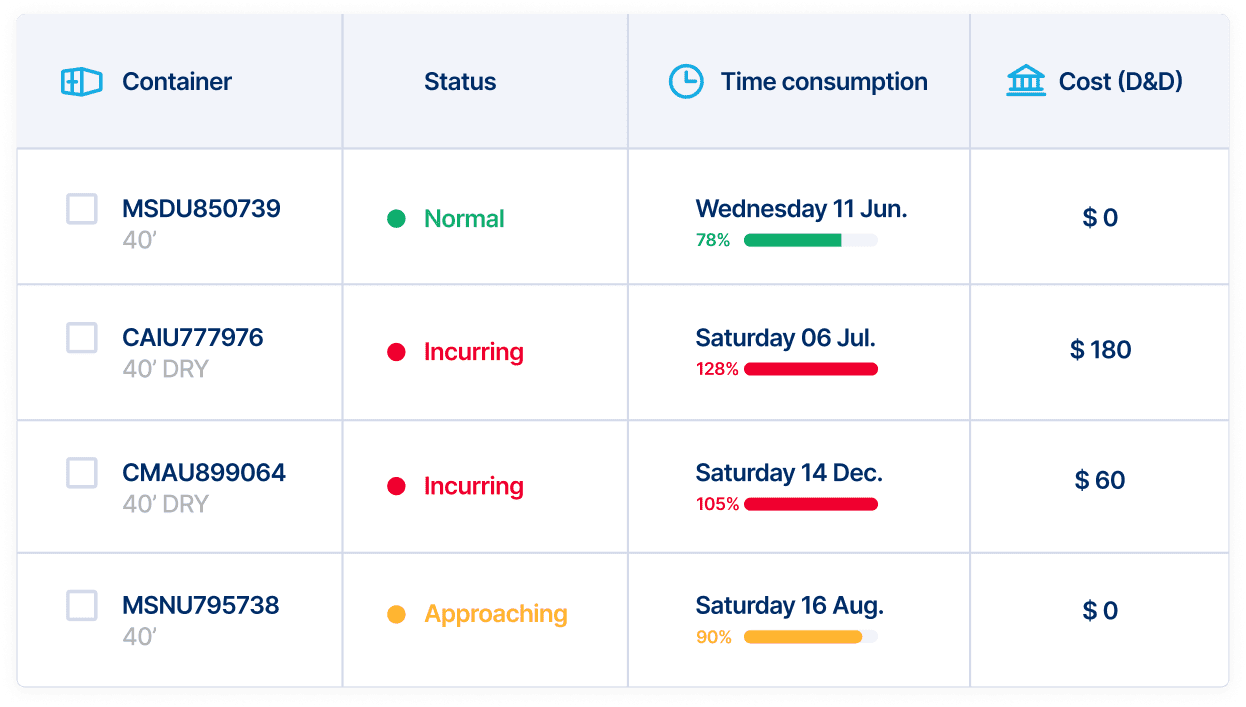
Identify Containers at Risk of Detention and Demurrage Charges
Stay on top of your container operations with clear, color-coded status indicators that make it easy to prioritize action and avoid unexpected costs. This gives you full visibility so you can stay ahead of fees and act before charges escalate.
Clear statuses: Containers are classified as Normal, Approaching, or Incurring, giving you a quick, granular snapshot of where attention is needed.Explicit color coding: Each status is displayed with a distinct color, making it immediately visible which containers require intervention.Quick decision-making: The visual cues help you focus on containers at risk of incurring charges, enabling faster, more informed operational decisions.
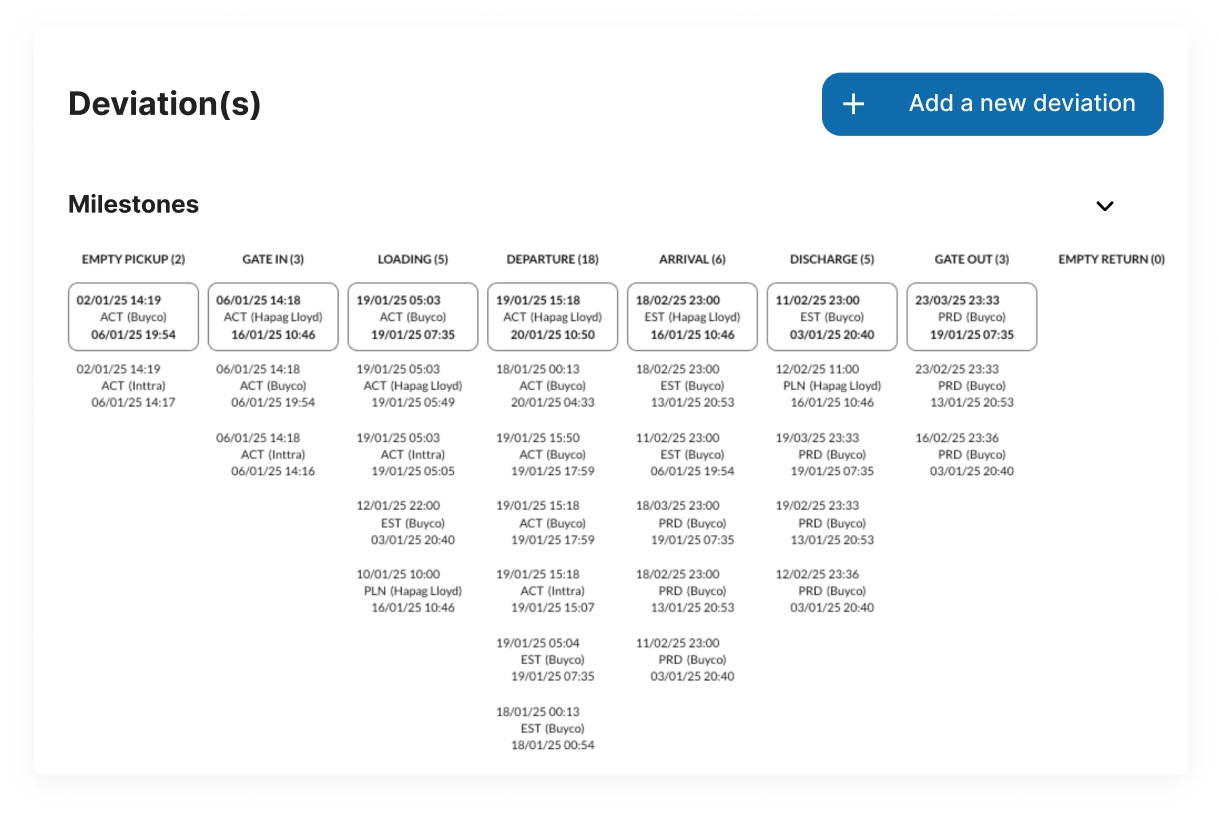
From Empty Pickup to Return: Complete Milestone Records and Deviation Details
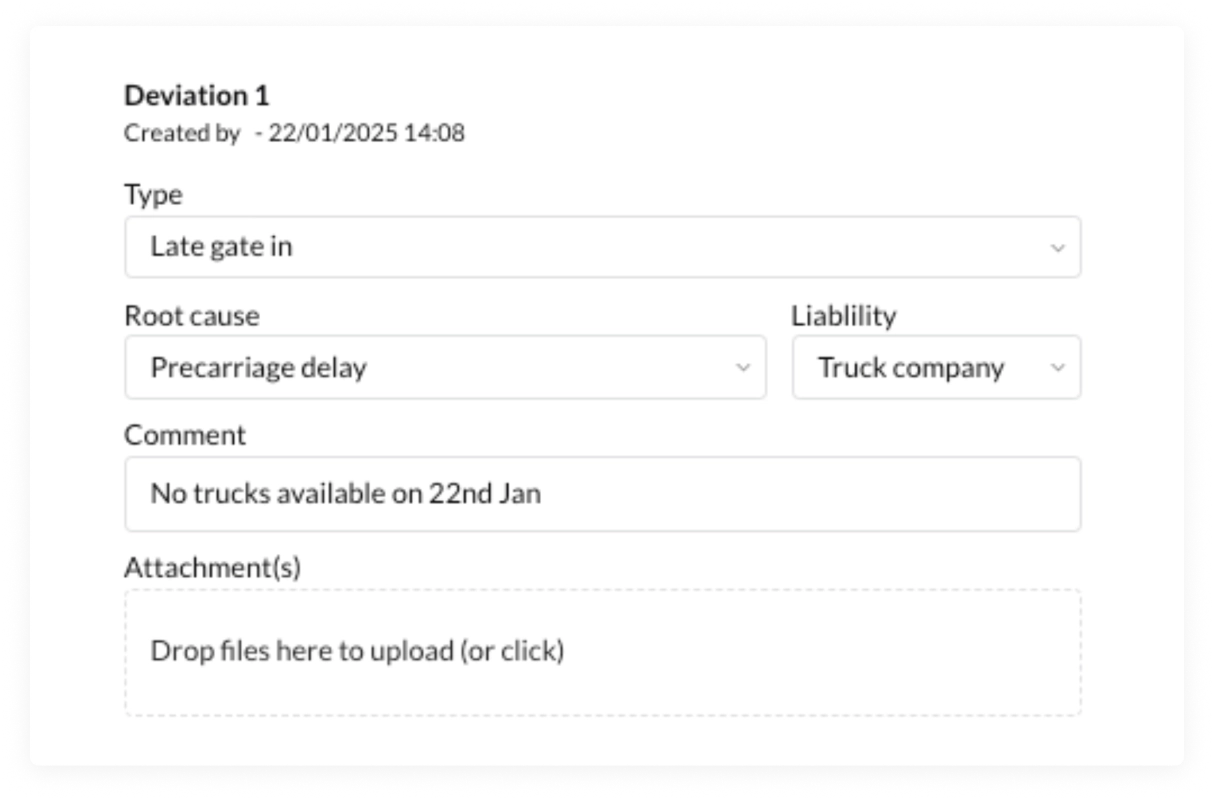
Record D&D Deviation Evidence and Establish Liability
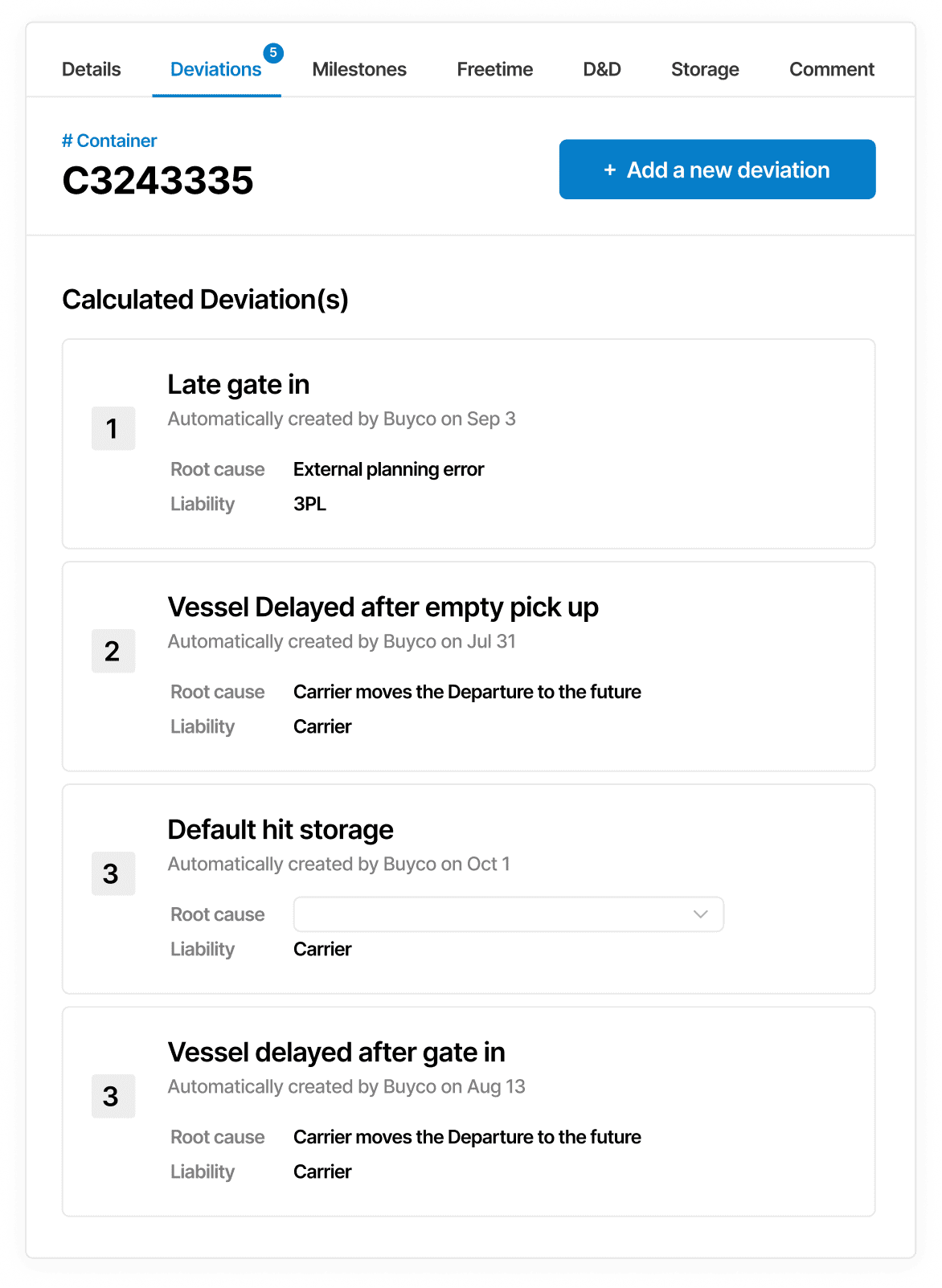
Centralize complete milestone records of your containers to understand the history behind each cost. This helps establish evidence of liability from external parties that may have contributed to the surcharges.
All container milestones are automatically recorded by BuyCo in your container view using external sources, such as inland bookings, terminal data, or trucking companies.Complete the data by allowing your team to add new
deviations related to a single container or in mass.Include comments for a comprehensive understanding of the situation.Filter deviations by responsibility (carrier or shipper) and check charges per shipment or container.
From Empty Pickup to Return: Complete Milestone Records and Deviation Details

Resolve claims :
Determine responsibility for fees, share with carriers, receive updated invoices, and approve for payment
Audit D&D Charges and Manage Carrier Disputes
BuyCo helps finance and operations teams audit detention and demurrage charges against shipment events, carrier rates, free-time rules, and recorded deviations. Teams can identify discrepancies, determine responsibility, dispute unjustified D&D fees, and avoid paying charges that do not match the operational record.
Pre-invoicing to carriers :
Before invoices are issued by carriers, BuyCo calculates freight costs and D&D charges according to your carriers’ rates and recorded deviations.Control of carrier invoices :
Receive carrier invoices, compare them with your own ‘pre-invoice,’ and identify discrepancies.
Resolve claims :
Determine responsibility for fees, share with carriers, receive updated invoices, and approve for payment
Analyze and Reduce Recurring Detention and Demurrage Costs
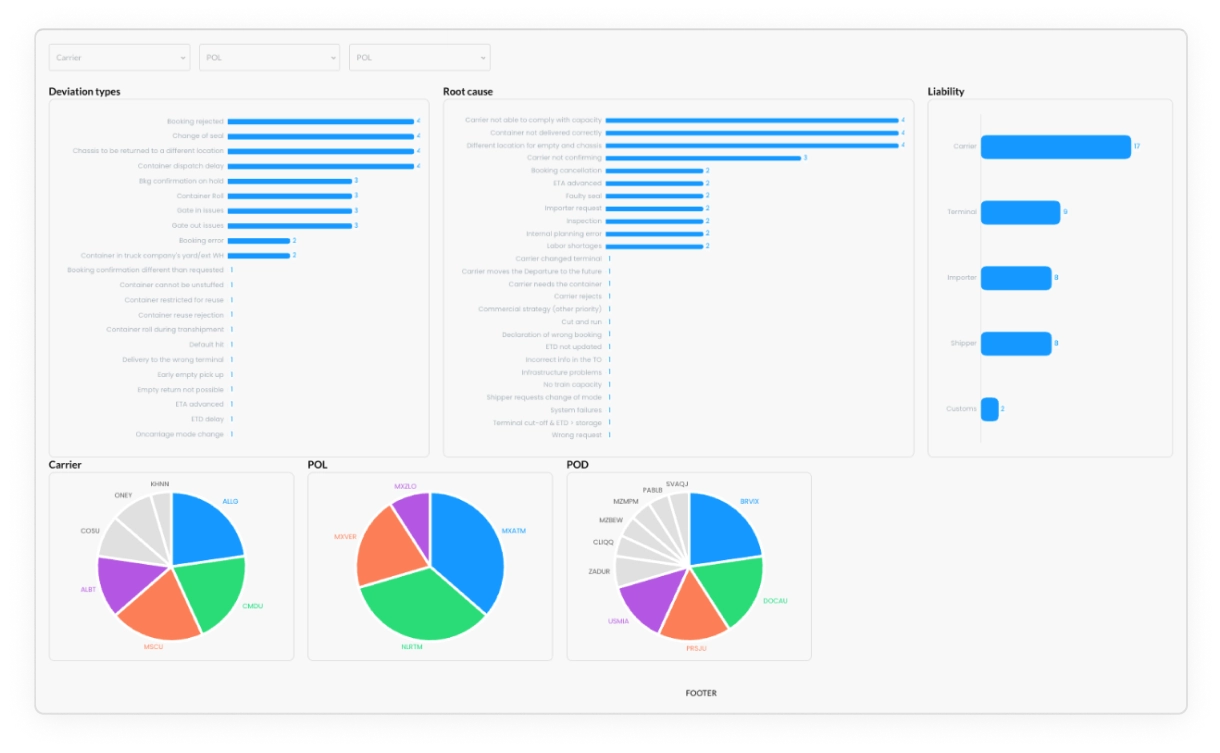
Monitor critical metrics related to recurring deviations to identify the causes of D&D costs and take steps to reduce them in the future. At a glance, identify:
Carriers with the highest detention and demurrage (D&D) costsPOL/POD locations most subject to deviationsSources of liability at the origin of deviationsDeviation types that occur most frequently
Potential Cost Savings from Managing
Detention and Demurrage Charges
A company ships around 55,000 containers per year, with 90% of these shipments going to affiliates who handle local deliveries. The local affiliates are responsible for managing any detention and demurrage (D&D) charges, but the maritime team in the home office is not involved or informed about these costs.
Return Period
Fee per Day per Container
D&D charges are applied as follows :
Market analysis shows that around 5% to 15% of containers incur D&D charges, depending on factors like internal management and local ports.
- 55,000 containers * 90% = 49,500 containers handled by the company.
- 5% of 49,500 = 2,475 containers incur extra charges.
- 15% of 49,500 = 7,425 containers incur extra charges.
- Average extra detention: 5 days per container.
- Low estimate: 2,475 * 5 days * €27.5 = €340,313
- High estimate: 7,425 * 5 days * €27.5 = €1,020,938
Savings with BuyCo’s new D&D feature :
The new BuyCo feature can reduce D&D costs by 50–60%.
- Low estimate: €340313 * 50% = €170,156
- High estimate: €1,020,938* 60%= € 612,562
Elevate D&D Control Across the Shipment Lifecycle with Integrated Features
BuyCo connects D&D management with the shipment events that directly affect container free time. Booking and inland coordination data help teams identify delays earlier, respond before free time expires, and reduce detention and demurrage exposure during execution.
Discover BuyCo features that take your D&D management further:
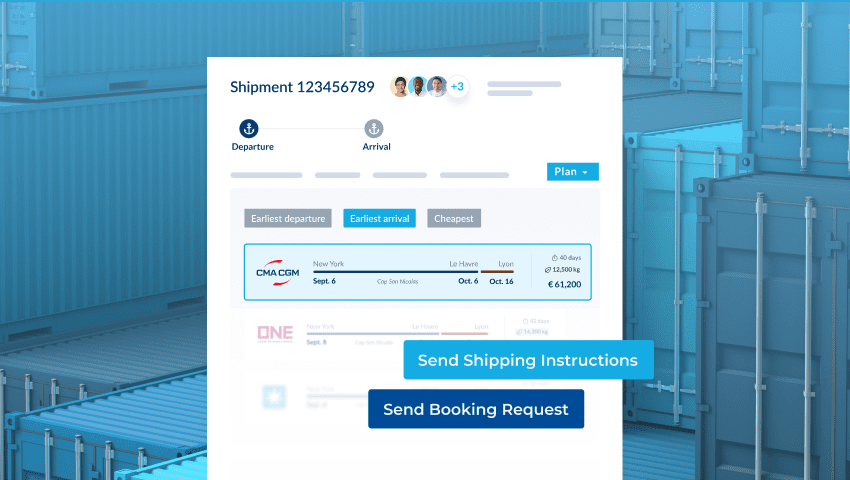
Shipping Operations
Get full visibility of shipment data and carrier cutoff dates, automatically updated in the D&D module to give you the most accurate information to anticipate delays and manage charges exposures before it happens.
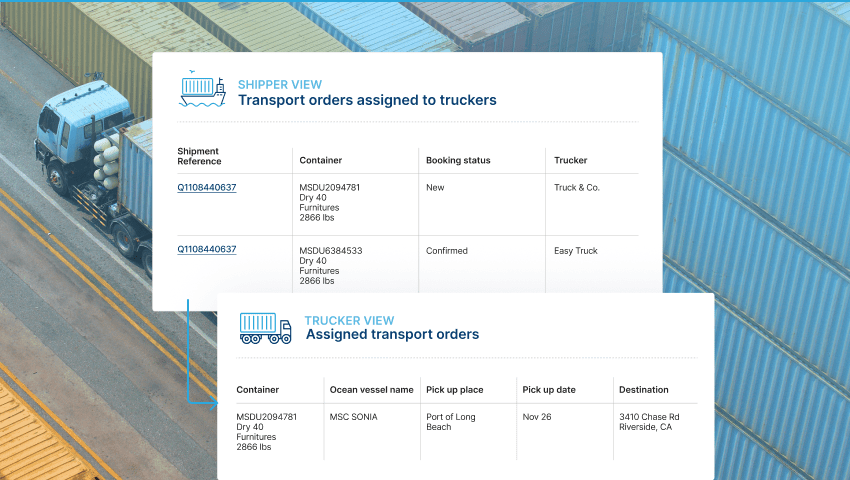
Inland Coordination
Gain the ability to react quickly as D&D costs approach, coordinating inland providers directly within BuyCo to move containers faster and prevent unnecessary charges.
How BuyCo Helps Reduce Detention and Demurrage Costs
Detention and demurrage charges are largely preventable when teams act during execution rather than at invoice review. Five steps reduce them:
- Monitor free-time consumption in real time. Track how much free time each container has used and what D&D and storage charges are accruing, from a single view. BuyCo calculates this live across all containers.
- Flag at-risk containers before charges start. Classify containers by status — approaching or already incurring — so teams act on the ones that matter first. BuyCo applies color-coded Normal, Approaching, and Incurring states.
- Coordinate inland moves to return containers faster. Trigger trucking and inland actions as soon as a container nears its free-time limit. BuyCo coordinates inland providers directly on the platform.
- Pre-invoice and audit carrier charges against your own calculation. Calculate expected freight and D&D costs from carrier rates and recorded deviations, then compare against the carrier’s invoice to catch discrepancies before paying. BuyCo generates this pre-invoice automatically.
- Analyze recurring deviations by carrier, port, and cause. Identify which carriers, POL/POD locations, and deviation types drive the most charges, and remove the source. BuyCo surfaces these patterns in its analytics.
Applied together, these steps can reduce D&D costs by 50–60%.
Learn more about Detention and Demurrage solutions.
FAQ
What Are Detention and Demurrage?
Detention and Demurrage (D&D) are charges applied by carriers when containers exceed their allotted free time.
How does BuyCo manage detention and demurrage?
BuyCo manages detention and demurrage by calculating free-time consumption, flagging containers approaching or incurring charges, centralizing deviation evidence, auditing carrier invoices, supporting D&D disputes, and analyzing recurring costs by carrier, port, and cause. For vendor comparisons, see Best Detention and Demurrage Management Software.
How does BuyCo reduce detention and demurrage costs?
BuyCo reduces detention and demurrage costs by calculating container free-time consumption in real time, flagging at-risk containers before charges start, coordinating actions that accelerate pickup and empty return, auditing carrier invoices against expected D&D charges, and identifying recurring deviations by carrier, port, and cause.
How much can detention and demurrage software save?
Detention and demurrage management software can reduce D&D costs by 50–60%. For a shipper moving roughly 50,000 containers per year, that represents about €170,000–€610,000 in avoidable charges annually, against a typical exposure of €340,000–€1.02M. Savings scale with container volume and the 5–15% of shipments that typically incur charges.
What features should detention and demurrage software have?
BuyCo and other effective D&D software should cover six capabilities: real-time free-time and cost monitoring; at-risk status flagging such as Normal, Approaching, and Incurring; centralized deviation evidence to establish liability; carrier invoice audit and dispute management; analytics that isolate the carriers, ports, and deviation types driving recurring costs; and integration with booking, tracking, and inland operations so charges are prevented during execution.
What is the difference between detention, demurrage, and storage charges?
Demurrage is charged by the carrier when a container stays at the port or terminal beyond its free time. Detention is charged by the carrier when a container is kept outside the port or terminal beyond its free time. Storage charges are imposed by the port terminal for keeping cargo or containers in the port area after the free period ends. All three are triggered by exceeding free time but differ in where the container sits and which party charges the fee.
What is free time in container shipping?
Free time is the period during which a container can be used without incurring detention, demurrage, or storage charges. Its duration is set in the shipping contract and varies by carrier, port, and trade lane. Tracking free-time consumption per container is the foundation of D&D cost control, because charges begin the moment it is exceeded.
Why do detention and demurrage charges happen, and who pays them?
Detention and demurrage charges are paid by the shipper or consignee and usually result from execution problems, not tracking failures alone — late container returns, delayed documentation, unclear inland responsibilities, port congestion, or poor coordination between operations and finance. A frequent structural cause is limited internal visibility into free-time consumption. Identifying the recurring source of charges by carrier and port is what makes them reducible.
Can detention and demurrage charges be disputed?
Yes, detention and demurrage charges can be disputed when there is evidence that an external party contributed to the delay. BuyCo supports this by automatically recording container milestones from inland bookings, terminal, and trucking data, letting teams filter deviations by responsibility, compare them against the carrier’s invoice, and refute charges that aren’t theirs.