
BUYCO BLOG
Ocean Freight Insights and Trends

5 Best Software for Managing Shipping Disruptions
Unexpected shipping delays, port congestion, and constant schedule changes have become the norm in 2026, threatening to wreak havoc on your maritime supply chain. These disruptions lead to increased costs, administrative overload, and dissatisfied customers. To navigate this volatility, shippers must move from a reactive to a proactive management strategy. This article compares the best […]
Read More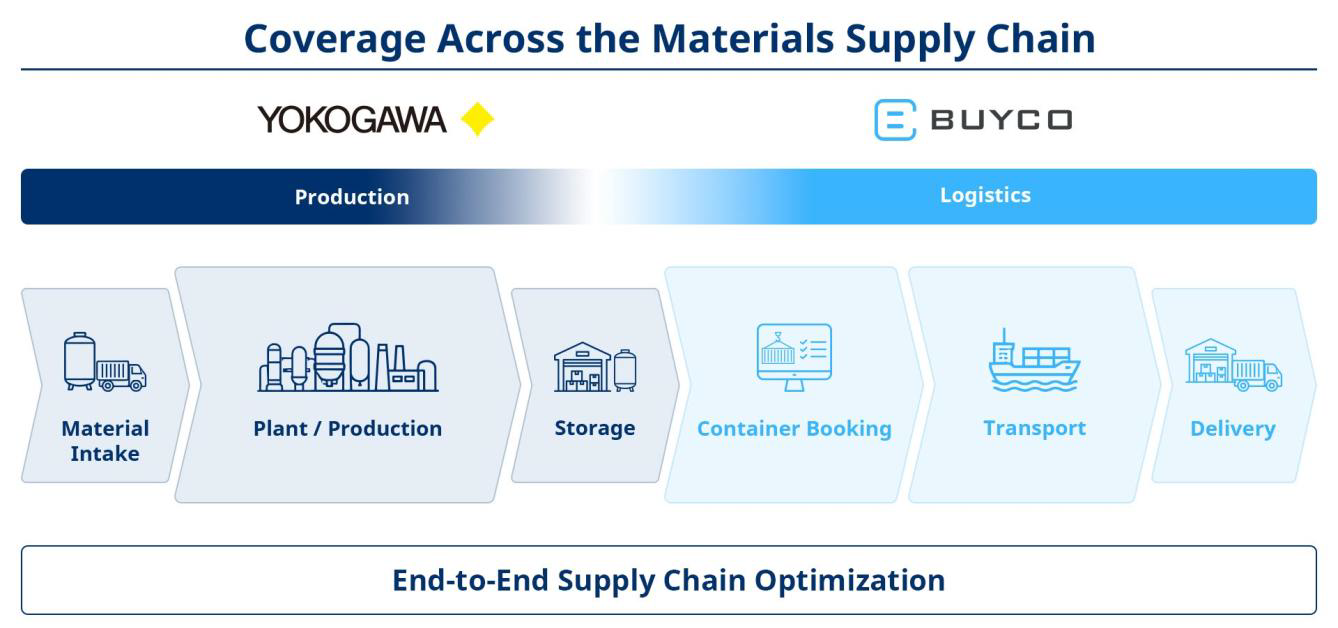
Yokogawa Signs Distribution Agreement with BuyCo for its Container Transport Management SaaS – Advancing Supply Chain Optimization Solutions for the Materials Industry –
This article is reproduced with permission from the press release issued by Yokogawa Electric Corporation on September 2, 2026. Tokyo, Japan and Marseille France – September 2, 2026 Yokogawa Electric Corporation (TOKYO: 6841) announces that it has entered into a distribution agreement with France-based BuyCo, a provider of a software as a service (SaaS) solution […]
Read More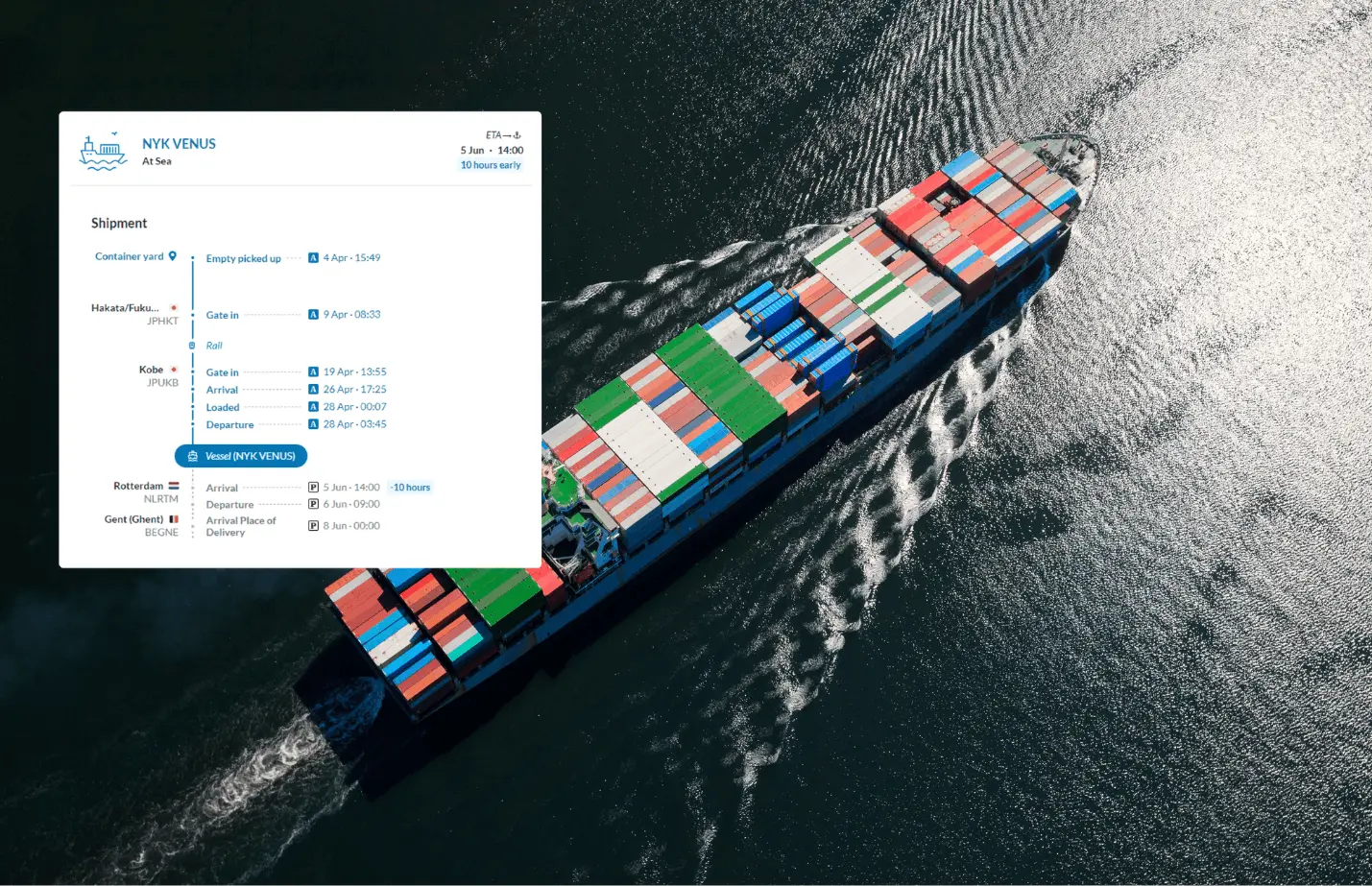
Best Container Tracking Software for Ocean Freight (2026)
Container tracking software for ocean freight is a digital platform that provides real-time visibility into container location, status, and estimated arrival times by aggregating data from carriers, ports, and AIS vessel tracking systems. Advanced platforms also include predictive ETAs, exception management, and workflow automation to help shippers proactively manage their supply chain. Managing an international […]
Read More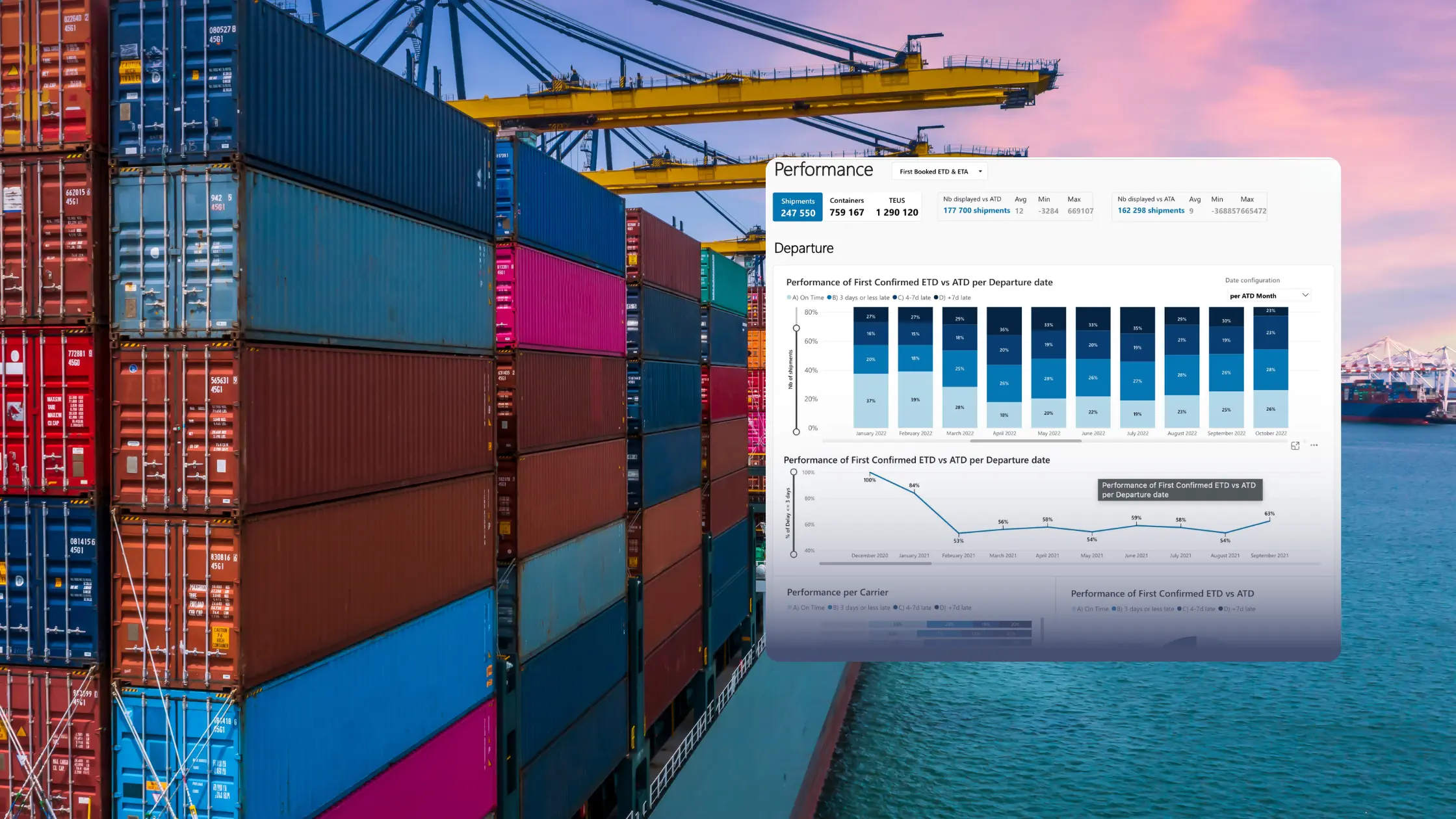
Best Ocean Freight KPI & Analytics Software (2026)
Ocean freight analytics software helps shippers measure carrier reliability, freight costs, transit times, forwarder performance, emissions, and operational exceptions. The most suitable platform depends on whether the team needs analytics inside an execution system, market-rate benchmarking, industry schedule data, or raw container events for custom reporting. This guide compares seven ocean freight analytics platforms and […]
Read More
Toyota Tsusho Selects BuyCo to Digitalize and Optimize Its Global Container Shipping Operations
Tokyo, Japan and Marseille, France — August 25, 2026 Toyota Tsusho Corporation, a leading global trading house within the Toyota Group, has selected BuyCo, the leading Container Shipping TMS, to transform and streamline its container shipping operations. By leveraging BuyCo, Toyota Tsusho aims to achieve full control over its ocean freight operations, strengthen carrier performance […]
Read More
豊田通商、グローバルなコンテナ海上輸送業務のデジタル化と最適化に向けてBuyCoを採用
日本・東京/フランス・マルセイユ – 2026年8月25日 トヨタグループの中核を担うグローバル商社である豊田通商株式会社は、コンテナ海上輸送TMSのリーディングカンパニーであるBuyCoを採用し、コンテナ海上輸送業務の変革と効率化を推進します。 BuyCoを活用することで、豊田通商は海上輸送業務を包括的に管理し、船会社のパフォーマンス管理を強化するとともに、輸送プロセスを効率化し、グローバルサプライチェーン全体のコスト効率と運用効率の最適化を目指します。 物流の卓越性を目指す豊田通商の取り組み 豊田通商株式会社は、多くの国々にある倉庫や工場から毎年膨大な量のコンテナを輸送しており、業界でも特に複雑かつ広範囲に分散したグローバルサプライチェーンを運営しています。この規模ゆえに、大量のコンテナ予約の管理、輸送中の数千件に及ぶ貨物のエンドツーエンドの可視化など、特有の運用上の課題が生じています。 同時に、効率性とコスト競争力を維持するためには、船会社への配分やパフォーマンス管理を適切にコントロールすることが重要です。 このような環境では、非効率性が急速に大規模化する可能性があるため、業務を円滑に遂行するには、正確性、連携、そしてリアルタイムでの管理が不可欠です。 BuyCoのSaaSソリューションを導入することで、豊田通商のグローバルな業務チームは、自動化されたコンテナ予約および船会社配分管理、リアルタイムのコンテナ追跡、そして強力なKPIダッシュボードを、すべて単一の統合プラットフォーム上で活用できるようになることが期待されています。 コンテナ輸送を中心としたサプライチェーン効率の向上 BuyCoが持つ広範な海上船会社ネットワークと高度なコンテナ輸送コラボレーション機能を活用することで、豊田通商株式会社は単一のプラットフォームから、以下の実現を目指します。 これらすべてを、グローバルなコンテナ海上輸送業務における管理力、効率性、透明性の向上を目的として設計された統合環境の中で実現します。 コメント 「サプライチェーンにおける卓越性を追求する豊田通商の姿勢は、まさにBuyCoの原動力となっているものです」と、BuyCoのCEO、Carl Lauronは述べています。 「このデジタルトランスフォーメーションの歩みにおいて、パートナーとして選ばれたことを誇りに思います。すべての関係者を単一のプラットフォームでつなぐことで、豊田通商のチームがコンテナ海上輸送業務を最高水準の効率で運営するために必要な管理力を得られるよう支援していきます。」 豊田通商について 豊田通商株式会社は、総合商社であり、トヨタグループの中核企業です。130か国以上に広がるグローバルネットワークを通じて、自動車部品の輸出や複雑な国際サプライチェーンの管理を含む幅広い事業活動を展開しています。同社は物流における卓越性の向上と、グローバルオペレーションの継続的な改善に取り組んでいます。 BuyCoについて BuyCoは、コンテナ海上輸送向けのデジタルTMSを開発しています。大量のコンテナを取り扱う輸出企業および輸入企業向けに設計されたSaaSプラットフォームは、海上船会社、フォワーダー、その他すべての輸送関係者を一つの場所でつなぎます。関係者間の連携、日常的な輸送業務の自動化、そして可視性の向上を通じて、BuyCoはコンテナ海上輸送をより効率的で、透明性が高く、収益性の高いものへと変革します。 BuyCo 報道関係お問い合わせ先 谷口憲太郎 カントリーマネージャー(日本) kentaro.taniguchi@buyco.cohttps://buyco.co/
Read More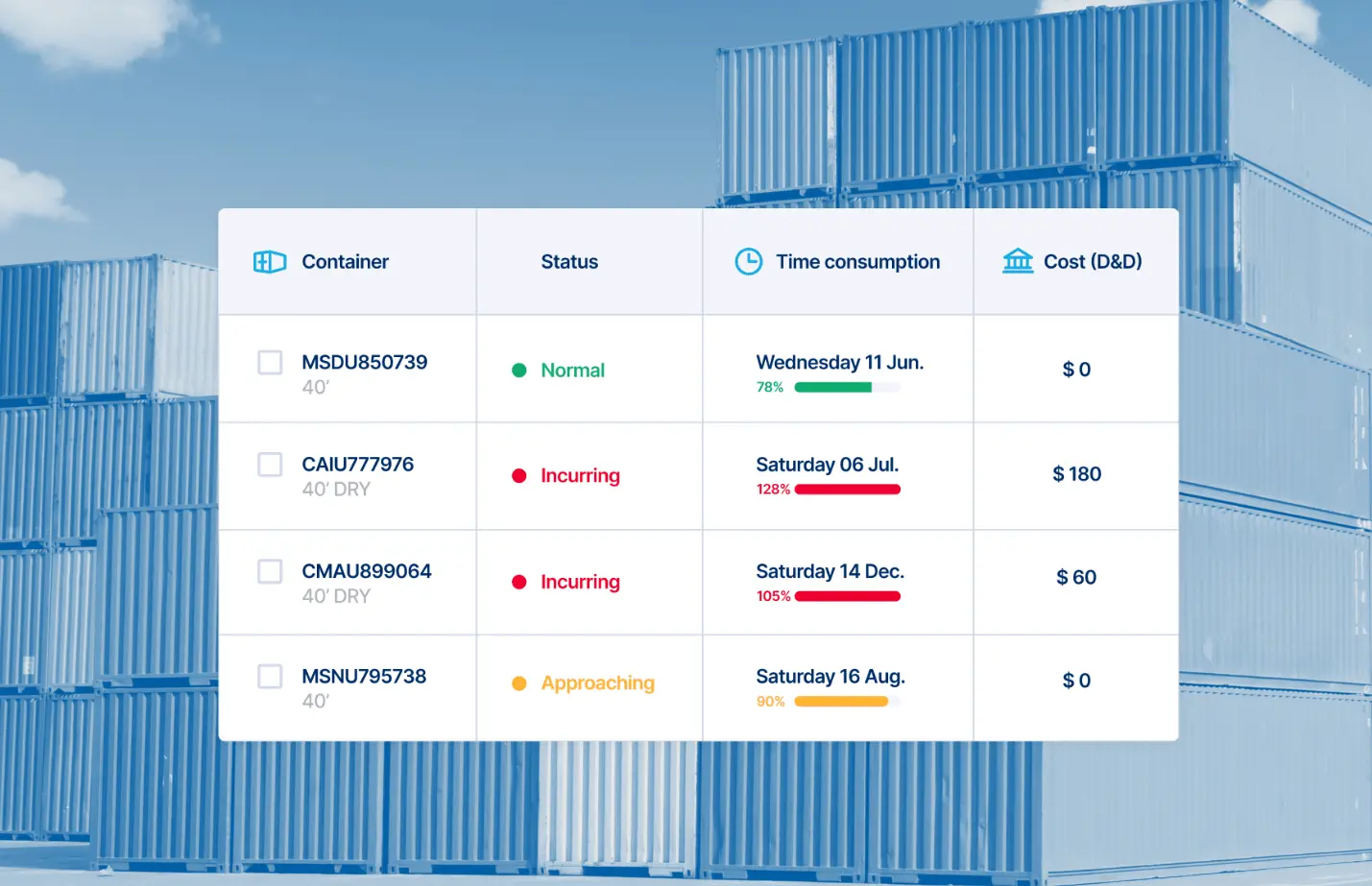
Best Detention and Demurrage Management Software in 2026
Detention and demurrage costs are among the most difficult ocean freight expenses to control. For shippers, freight forwarders, NVOCCs, and drayage teams, these charges often come from the same operational problems: poor visibility into free time, fragmented container updates, unclear responsibility, missed pickup or return windows, delayed documentation, and limited collaboration between carriers, terminals, inland […]
Read More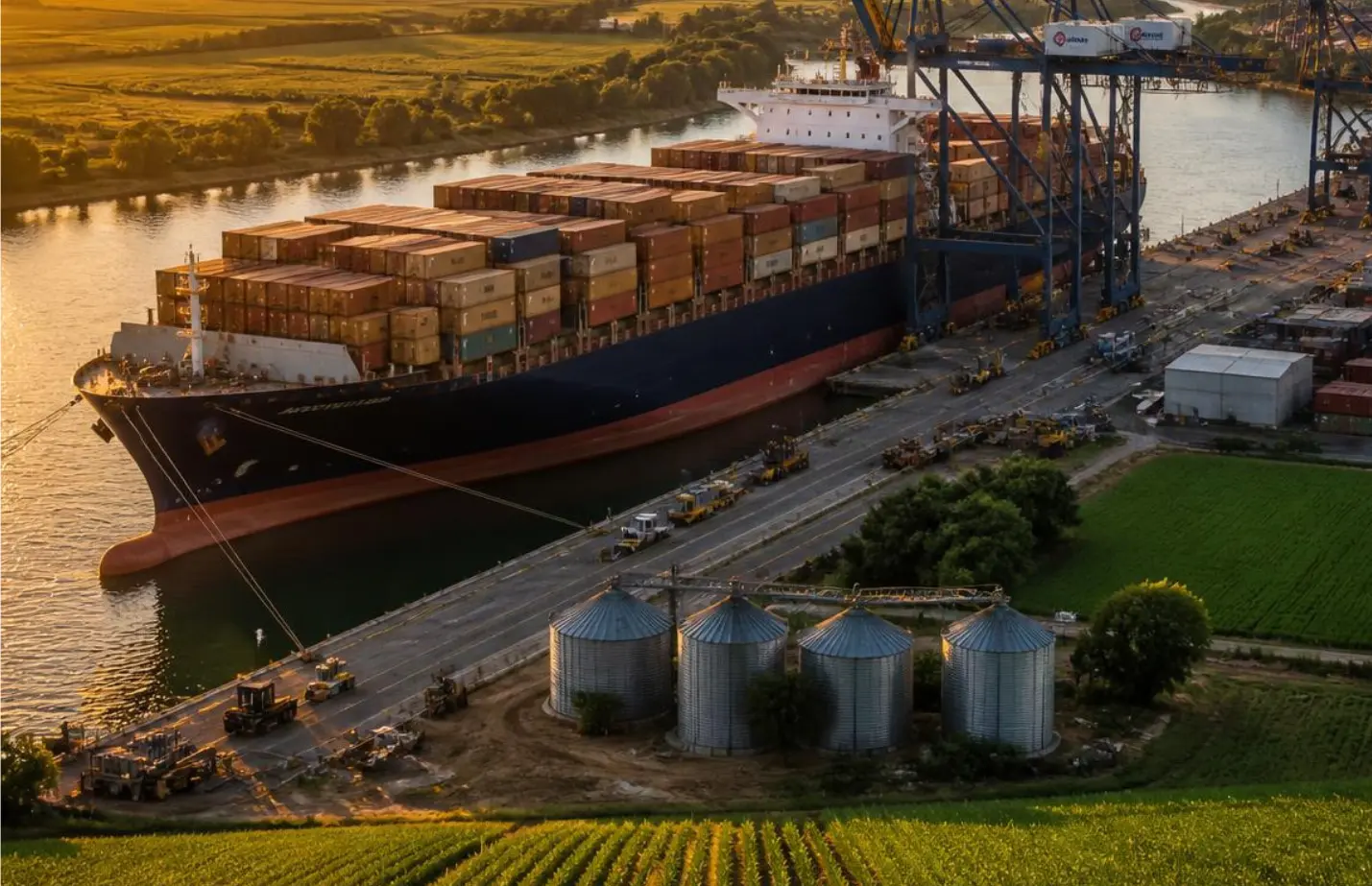
From Spreadsheets to Control Tower: The New Playbook for Agricultural Exporters
Fresh produce doesn’t wait. A rolled container, a missed cut-off, or a delayed customs document isn’t just an operational headache for agricultural exporters; it’s lost shelf life, lost value, and sometimes a lost customer. Yet for many exporters, container shipping is still managed the way it was a decade ago: spreadsheets, email chains, and a […]
Read More
BuyCo Predictive ETA for Ocean Freight Visibility
In today’s complex global shipping environment, relying on standard carrier-provided Estimated Times of Arrival (ETAs) is a significant business risk. These ETAs are frequently inaccurate, updated too late, and lack the context needed for effective planning. The result is a cascade of costly disruptions: missed production schedules, strained partner relationships, and unexpected detention and demurrage […]
Read More
Agricultural Exporters: Tackling Container Shipping Challenges with Greater Control
Cotton, hay, potatoes, walnuts, frozen products, reefers, fresh produce. Agricultural exporters move all of it by ocean freight, out of the US, Brazil, Europe, and Asia alike. Most keep that shipping operation in-house to protect margins that are already thin, but the model doesn’t scale easily: it runs on direct carrier relationships with no digital […]
Read More