
In the complex shipping landscape of 2026, managing ocean freight costs has become a critical strategic challenge for importers and exporters. Geopolitical instability, fluctuating carrier capacity, and unpredictable demand continue to create significant rate volatility. For large-volume shippers, controlling these expenses is no longer just about negotiating better rates; it’s about building a resilient, efficient, and data-driven maritime supply chain.
This article provides ten expert-backed strategies to help you reduce freight costs, improve operational control, and gain a competitive edge. We will explore practical steps, from leveraging technology and optimizing routes to strategically managing carrier relationships, while also highlighting the potential tradeoffs and risks involved in each approach.
1. Optimize Routes with High-Fidelity, Real-Time Data
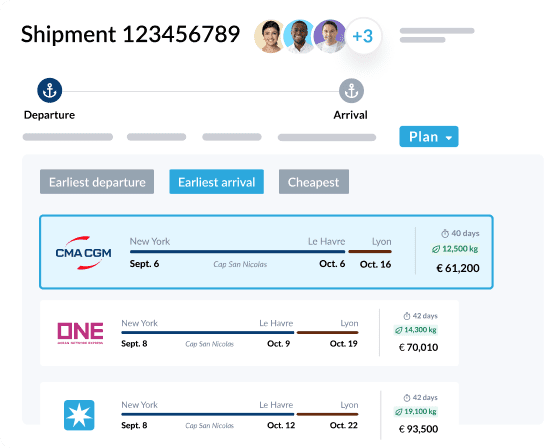
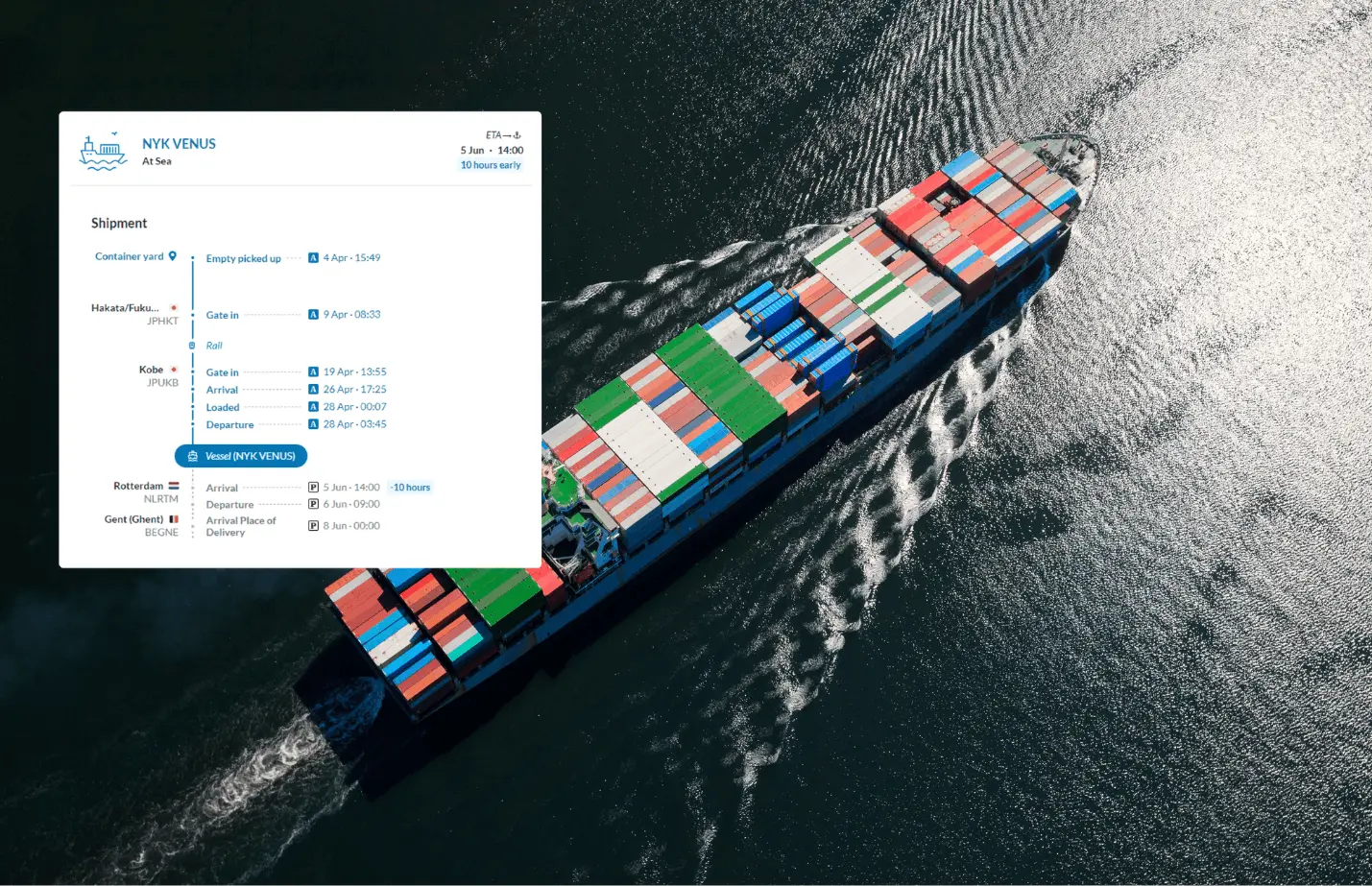
Relying on historical rate data alone is a recipe for margin erosion. Past performance is no longer a reliable predictor of future rates in today’s market. To make intelligent routing decisions, your team needs access to real-time data that includes vessel ETAs, port congestion levels, carrier capacity, and lane-specific rate fluctuations. This allows you to proactively switch carriers or reroute shipments to avoid costly delays and capitalize on market opportunities.
- Tradeoff: Implementing systems that aggregate and analyze real-time data requires an initial technology investment and integration with existing ERPs.
- Risk: The value of this strategy depends entirely on data quality. Inaccurate or incomplete data can lead to poor decisions that increase costs rather than reduce them.
2. Consolidate Shipments to Maximize Container Utilization
For shippers dealing with Less-than-Container Load (LCL) volumes, consolidation is a well-known cost-saving tactic. However, even large-volume shippers can find savings by optimizing Full Container Load (FCL) shipments. By analyzing cargo flows across different origins and destinations, you can identify opportunities to combine orders into fewer containers, significantly lowering your cost per unit.
- Tradeoff: Consolidation often requires longer lead times to coordinate multiple orders and can reduce overall flexibility.
- Risk: A delay with one portion of a consolidated shipment can hold up the entire container, potentially impacting multiple customers or production lines. Effective coordination is critical.
3. Leverage Multi-Modal Transportation Strategically
Combining different modes of transport, such as ocean, rail, and road, can create the optimal balance of cost, speed, and reliability. For instance, shifting a container from ship to rail for a long inland journey can be significantly cheaper and more sustainable than relying solely on trucking.
- Tradeoff: Multi-modal routes introduce more complexity, with multiple handoffs, documents, and partners to manage.
- Risk: Each interchange point between modes is a potential point of failure where delays, damage, or documentation errors can occur. A centralized platform to manage these transitions is essential.
4. Ship During Off-Peak Periods When Possible
Shipping during peak season inevitably means paying premium rates and facing capacity constraints. By planning shipments in advance and collaborating with your commercial teams on demand forecasting, you can shift non-urgent cargo to off-peak periods. This strategy allows you to secure lower rates and more reliable service.
- Tradeoff: This approach requires holding higher levels of safety stock to buffer against longer lead times, which increases inventory carrying costs.
- Risk: If demand forecasts are inaccurate, shipping too early or too late can lead to expensive stockouts or excess inventory, negating any freight savings.
5. Deploy a Specialized Ocean Freight TMS
A generic Transportation Management System (TMS) often lacks the specific functionalities required to manage the complexities of global container shipping. A specialized platform like the BuyCo Platform is designed for the entire ocean freight lifecycle. It provides API connections to carriers for real-time rates and bookings, automates the generation of key documents like the Verified Gross Mass (VGM), and centralizes communication with all partners. This specialized approach drives far greater efficiency and cost savings than a one-size-fits-all solution.
- Tradeoff: Implementing a new platform can require time for integration and team training.
- Risk: Choosing a system that isn’t built for your primary mode of transport (ocean freight) means you’ll still rely on manual processes and spreadsheets to fill the gaps, limiting your ability to automate and scale.
6. Benchmark and Analyze Freight Rates Continuously
The days of “set it and forget it” annual carrier contracts are over. Shippers must continuously benchmark their contracted rates against the volatile spot market to ensure they are not overpaying. A robust rate management system allows you to compare quotes from multiple carriers for every shipment, enabling you to use the spot market when it’s favorable while still honoring your long-term agreements.
- Tradeoff: Manually tracking and comparing rates across multiple carriers is extremely time-consuming and prone to errors.
- Risk: Focusing exclusively on the lowest cost per container can damage long-term carrier relationships, which are crucial for securing capacity during peak seasons or market disruptions.
7. Standardize Global Shipping Workflows
Inconsistencies in processes across different regions, teams, and partners lead to errors, delays, and unnecessary costs. By standardizing workflows for booking, documentation, and communication with solutions like BuyCo, you create a foundation for automation. Centralizing these processes within a single platform ensures every shipment follows best practices, reducing manual work and minimizing the risk of costly compliance mistakes.
- Tradeoff: Overly rigid standardization can stifle the ability to adapt to unique local requirements or unexpected exceptions.
- Risk: A process that cannot effectively manage exceptions often creates more workarounds and manual effort than it saves. The right system standardizes the routine while providing the flexibility to manage the unexpected.
8. Enhance Load Planning and Equipment Selection
Effective freight cost reduction goes beyond rates and extends to the container itself. Optimizing how you pack goods and selecting the right equipment—such as a 40′ high-cube instead of a standard 40′ container, can prevent you from paying for unused space. Proper load planning also helps avoid issues like container rollover and additional fees for overweight or poorly balanced containers.
- Tradeoff: Detailed load planning requires close collaboration with suppliers, warehouses, and 3PLs, which can add a layer of logistical coordination.
- Risk: Poor planning can lead to wasted space, missed sailings, or worse costly detention and demurrage charges if containers are not loaded or returned on time.
9. Manage Carrier Contracts with Performance Data
Instead of simply locking in long-term contracts, adopt a strategic approach to carrier management. Use a centralized platform to track key performance indicators (KPIs) like on-time performance, invoice accuracy, and tender acceptance rates. This data empowers you to have more productive negotiations, allocate volumes to your best-performing partners, and ensure you receive the service quality you pay for, as demonstrated by BuyCo’s client, a leading company in the mining industry.
- Tradeoff: Committing significant volume in a long-term contract reduces your flexibility to take advantage of a falling spot market.
- Risk: Without ongoing performance tracking, you risk being locked into an agreement with an underperforming carrier, leading to poor service that impacts your customers.
10. Foster a Culture of Cost and Service Awareness
Lasting freight cost reduction is a team effort. Equip your logistics and procurement teams with the tools and data they need to make informed, cost-conscious decisions every day. When teams have clear visibility into how their choices impact the bottom line and customer satisfaction, they are empowered to proactively identify savings opportunities and improve processes.
- Tradeoff: If not implemented carefully, a focus on cost can be perceived as micromanagement and may demotivate teams.
- Risk: An imbalanced focus on cost reduction at the expense of everything else can degrade service quality, damage carrier relationships, and ultimately lead to customer churn. The goal is to find the optimal balance between cost, speed, and reliability.
Putting Your Cost Reduction Plan into Action
Implementing a sustainable freight cost reduction strategy requires a structured approach.
- Conduct a Comprehensive Freight Audit: Begin by analyzing your past 12 months of shipping data. Identify your top lanes, carriers, and cost drivers. This baseline will reveal your biggest opportunities for savings.
- Set Clear, Measurable KPIs: Establish specific goals. Are you targeting a 5% reduction in detention and demurrage fees? Or a 10% improvement in container utilization? Clear metrics are essential for tracking progress.
- Leverage a Centralized Technology Platform: Manual processes and spreadsheets are the biggest barriers to effective cost management. A platform like BuyCo centralizes data, automates workflows, and provides the visibility needed to execute these strategies at scale.
- Monitor, Adjust, and Continuously Improve: Cost reduction is not a one-time project. Regularly review your KPIs, share insights with your team, and adapt your strategy to changing market conditions.
How the BuyCo Platform Reduces Freight Costs
BuyCo is an AI-powered ocean freight software platform designed specifically to help large-volume shippers execute these strategies and achieve significant shipping cost savings. The platform empowers teams to:
- Centralize Rate Management: Compare spot and contract rates from all carriers in one place to ensure you select the best option for every shipment.
- Automate Booking and Planning: Reduce manual data entry and errors by automating the booking process directly with carriers via API, EDI, or email parsing. One global manufacturer in the tires industry increased booking speed by 300% using BuyCo.
- Gain Real-Time Visibility and Control: Track all your containers on a live map and receive proactive alerts for deviations, allowing you to manage exceptions before they become costly problems.
- Streamline Document Management: Automate the creation and distribution of key shipping documents, ensuring compliance and preventing delays at ports.
- Drive Performance with Analytics: Use customizable dashboards to monitor carrier performance, track spending against budget, and identify trends to support strategic negotiations and process improvements. This helped a leader in the petrochemical industry simplify collaboration and increase on-time deliveries.
By centralizing and automating operational processes, the BuyCo Platform provides the visibility and control necessary to make smarter, more cost-effective shipping decisions.
Ready to take control of your freight costs? Request a demo of the BuyCo Platform today.
Frequently Asked Questions
What is the most effective first step to reduce freight costs?
The most effective first step is to conduct a thorough audit of your current shipping operations. By analyzing your historical data on lanes, carriers, rates, and accessorial charges, you can establish a clear baseline and identify the areas with the greatest potential for immediate savings.
How does a specialized ocean TMS like BuyCo differ from a generic one?
A generic TMS is typically designed to handle multiple modes of transport (truck, rail, air) but often lacks the deep, mode-specific functionality required for ocean freight. A specialized platform like BuyCo is built exclusively for container shipping, offering features like direct carrier integrations for booking, container-level tracking, automated VGM and shipping instruction management, and analytics tailored to maritime KPIs.
Can freight consolidation lead to service issues?
Yes, if not managed properly. Consolidating cargo can extend lead times and create dependencies where a delay in one part of the shipment impacts the entire container. However, using a collaborative platform with real-time visibility allows you to coordinate more effectively with suppliers and forwarders, mitigating these risks and ensuring smooth execution.
How can I balance long-term contract rates with spot market opportunities?
The key is to use a dynamic rate management tool. A platform like BuyCo allows you to store all your contracted rates and simultaneously pull in spot rates from carriers for comparison. This gives you the visibility to decide on a shipment-by-shipment basis whether to use your contract allocation or take advantage of a favorable spot market price, without damaging your carrier relationships.