
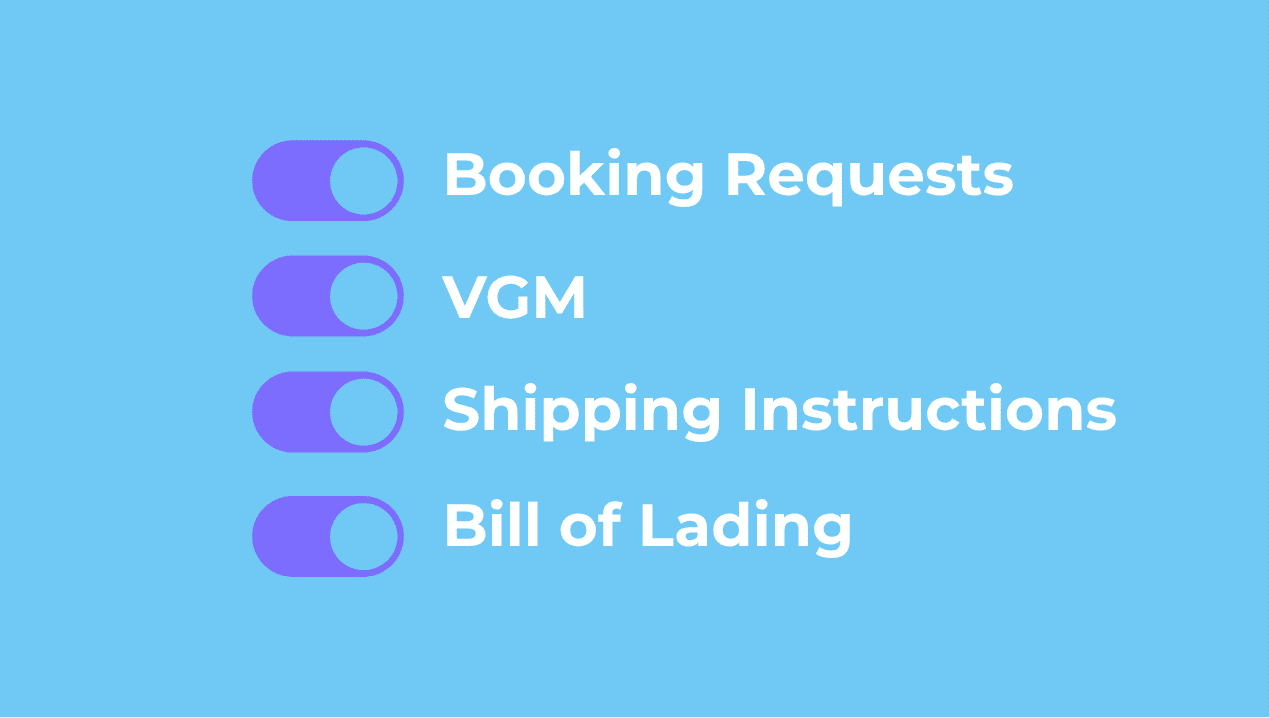
Global shipping operations generate an enormous volume of documentation. From booking requests and Verified Gross Mass (VGM) submissions to shipping instructions (SI) and bills of lading (BL), each step is crucial. Yet many shippers still rely on manual processes: entering data into carrier portals, emailing PDFs, and tracking everything across spreadsheets.These manual workflows are not only time-consuming but also prone to errors, delays, and compliance risks. The solution is automating shipping documents. With BuyCo, shippers can automate bookings, VGM submissions, shipping instructions, and electronic bills of lading (eBL) in one platform, reducing manual effort, cutting compliance risk, and gaining real-time visibility across their container shipping operations.
Why Automate Shipping Documents?
Automation in container shipping offers tangible benefits:
- Time savings: Eliminates repetitive manual tasks across every shipment.
- Error reduction: Automated data validation prevents costly mistakes.
- Improved compliance: Improved compliance: Automated VGM declaration and other regulatory submissions are validated before they go out, reducing the risk of rejections or penalties.
- End-to-end visibility: All shipping documents and carrier communications in one platform.
In a competitive global market, automation is no longer optional: it’s essential. BuyCo provides a centralized platform for managing the entire shipping document workflow.
1. Booking Automation
Booking requests are often the first bottleneck in container shipping. Manually logging into multiple carrier portals, re-entering shipment details, and tracking confirmations wastes hours per shipment — time that adds up fast across high-volume operations.
How BuyCo helps:
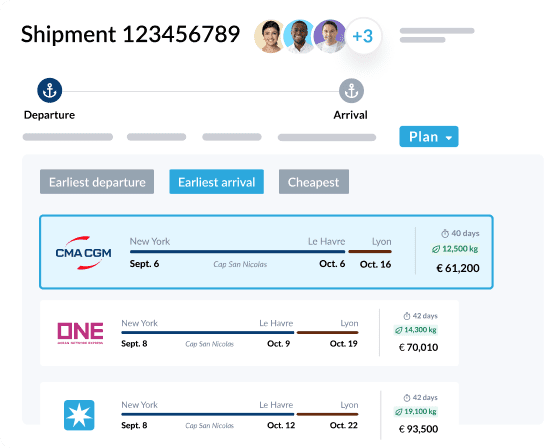
- All carriers in one platform: Access schedules and booking channels for all major carriers from a single container booking management interface, without switching between portals.
- Pre-filled templates: Store shipment profiles for repeat bookings and auto-fill shipment details.
- Automatic confirmations: Updates from carriers flow directly into BuyCo without emails.
Example: A BuyCo customer shipping to multiple destinations no longer spends 2–3 hours per shipment managing carrier portals. With BuyCo’s ocean freight booking management tools, bookings are completed in under 10 minutes, reducing human error and improving turnaround times.
2. VGM Automation
Verified Gross Mass (VGM) submissions are mandatory under SOLAS, but manual entry often leads to mistakes and last-minute compliance issues.
BuyCo automates VGM by:
- Pulling weight data directly from ERP, TMS, or warehouse scales.
- Automatically calculating and validating total container weight (cargo + tare).
- Submitting VGM electronically to carriers and terminals.
Example: Previously, a shipper manually calculated VGM for 50 containers per week. Errors occurred in 5–10% of cases, causing shipment delays. BuyCo’s automated VGM process eliminated these mistakes, ensuring SOLAS compliance every time.
3. Shipping Instructions Automation
Shipping instructions (SI) are the foundation of the bill of lading, and errors in SI data often cascade into corrections, re-entries, and delays. For teams managing high shipment volumes, having reliable container shipping document management software is the difference between smooth operations and costly rework.
BuyCo automates SI by:
- Pulling shipment details directly from booking data.
- Flagging missing or inconsistent fields before submission.
- Sending SIs electronically to carriers, with confirmation tracking.
Example: One BuyCo customer shipping multiple SKUs to Asia previously spent hours validating SIs. After adopting the BuyCo Platform, SI automation reduced manual effort by 70% and ensured accuracy across complex shipments.
👉 To go further, read our blogpost “Container Shipping Instructions: 10 Things You Need Know”
4. Bill of Lading (BL) Automation
The bill of lading is one of the most critical shipping documents. Traditional processes rely on manual drafting, email exchanges, and paper handling, which increases error risk and slows operations.
BuyCo automates BL by:
- Generating BL drafts directly from approved SIs.
- Allowing collaboration with carriers within the platform.
- Supporting electronic bills of lading (eBL) for faster and secure issuance.
Example: A European exporter using BuyCo reduced BL turnaround from 3 days to same-day issuance and completely eliminated errors caused by manually retyped information.
Manual vs. Automated Shipping Processes
| Task | Manual Process | Automated with BuyCo |
| Booking Request | Multiple carrier portals, email confirmations | Centralized platform, auto-filled templates |
| VGM Submission | Manual calculation, email/fax submission | Auto-calculated, SOLAS-compliant, electronic submission |
| Shipping Instructions | Data entry from multiple sources, error-prone | Auto-populated from bookings, validation, electronic submission |
| Bill of Lading | Drafting, emails, paper handling | Auto-generated, carrier collaboration, eBL issuance |
Automated shipping processes reduce errors, accelerate operations, and free teams to focus on high-value work instead of repetitive paperwork — covering everything from container booking management and ocean freight document handling to VGM submissions.
Frequently Asked Questions (FAQ)
What is VGM automation in shipping?
VGM automation captures container weight automatically from ERP, TMS, or warehouse systems, calculates the total verified gross mass, and submits it electronically to carriers to ensure SOLAS compliance. Platforms with built-in VGM declaration software, like BuyCo, handle this end-to-end without manual data entry, reducing errors and keeping shipments on schedule.
How does an electronic bill of lading (eBL) work?
An eBL is a digital version of the traditional paper BL. It’s issued and transferred electronically, reducing delays, eliminating paper handling, and improving document security.
Why should shippers automate shipping instructions?
Automating SIs ensures accuracy by pulling data from bookings, validating fields, and submitting instructions electronically. This prevents delays caused by errors or incomplete information.
Can I automate bookings with multiple carriers at once?
Yes. BuyCo connects to multiple carriers, allowing shippers to submit and manage container booking requests across all carriers from one platform — making it one of the more capable options for container booking management across a diverse carrier network.
What is shipping document automation?
Shipping document automation is the process of using software to create, validate, submit, and track ocean freight documents such as booking requests, VGM declarations, shipping instructions, and bills of lading. For shippers, it reduces manual data entry, prevents errors, and centralizes document workflows across carriers.
What shipping documents can be automated in ocean freight?
Common ocean freight documents that can be automated include booking requests, Verified Gross Mass declarations, shipping instructions, bill of lading drafts, and electronic bills of lading. Platforms like BuyCo help shippers manage these workflows from one centralized system instead of relying on carrier portals, spreadsheets, and email.
Can shippers automate bookings with multiple carriers?
Yes. With a platform like BuyCo, shippers can manage booking requests across multiple ocean carriers from one system instead of logging into separate carrier portals. This helps standardize booking workflows, reduce duplicate data entry, and keep carrier confirmations visible in one place.
How does BuyCo help automate shipping documents?
BuyCo helps shippers automate key ocean freight document workflows, including booking requests, VGM submissions, shipping instructions, and bills of lading. The platform centralizes carrier communication, document status, validation, and visibility so teams can reduce manual work and manage shipments more efficiently.
What is the main benefit of automating booking, VGM, SI, and BL workflows together?
The main benefit is that shipment data flows from one step to the next instead of being manually re-entered across disconnected systems. This creates a more reliable document workflow from booking to bill of lading, reducing delays, improving compliance, and giving teams a single source of truth.
The Benefits of Automating Shipping Documents with BuyCo
- Time savings: Cut hours of repetitive work per shipment.
- Error reduction: Pre-filled templates and validation prevent mistakes.
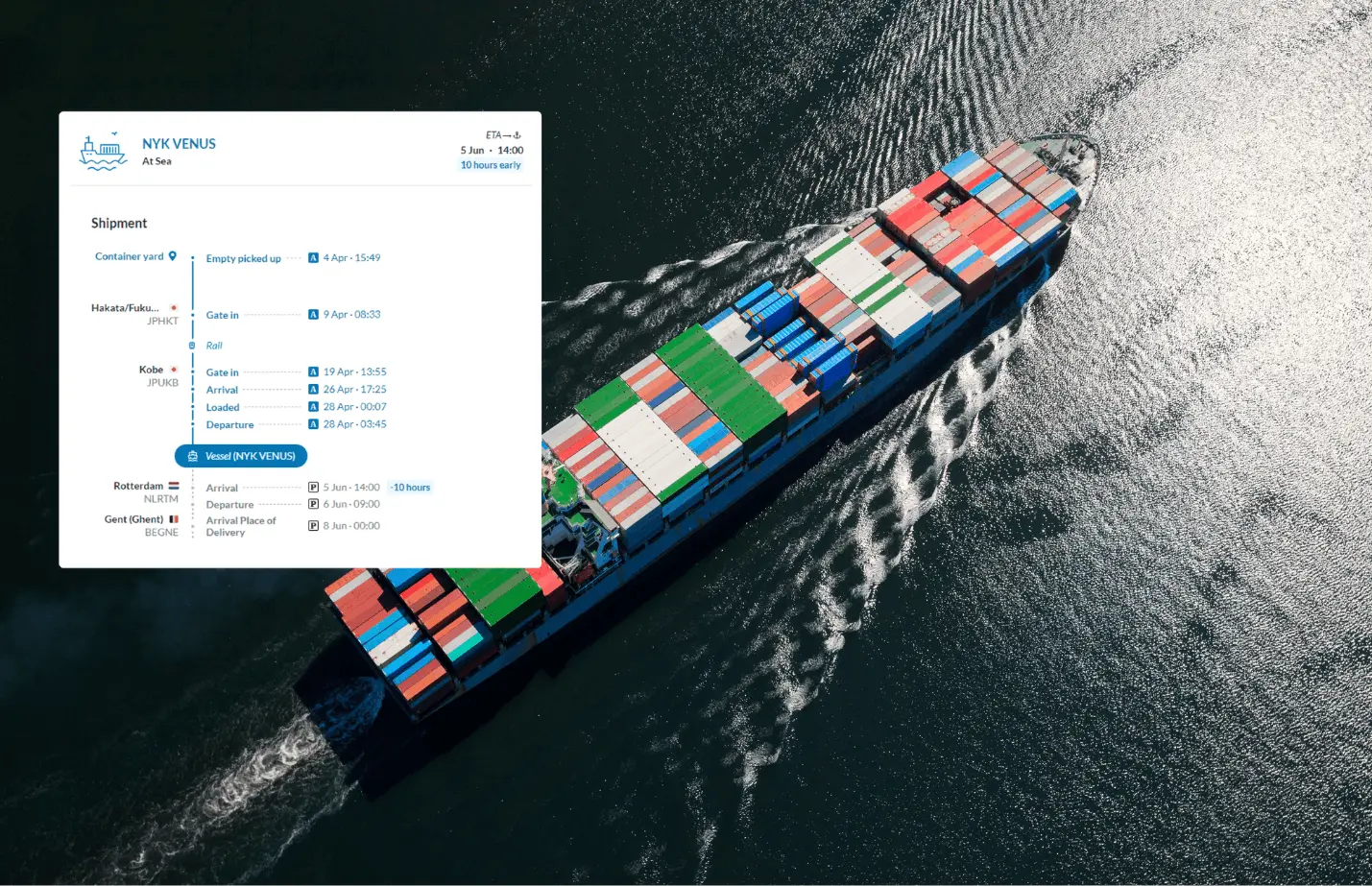
- Full visibility: Track all documents and carrier communications in one platform.
- Faster cycle times: Shipments move quicker from booking to BL issuance.
Automation is no longer a “nice to have.” In today’s global shipping environment, it’s a competitive advantage. BuyCo enables shippers to streamline documentation, stay compliant, and operate more efficiently.
Conclusion
Ready to automate your shipping documents?
With BuyCo, global shippers manage their full container shipping lifecycle in one place, from booking automation and VGM submission to electronic bill of lading (eBL), reducing manual errors and cutting document turnaround times.