

Unexpected shipping delays, port congestion, and constant schedule changes have become the norm in 2026, threatening to wreak havoc on your maritime supply chain. These disruptions lead to increased costs, administrative overload, and dissatisfied customers. To navigate this volatility, shippers must move from a reactive to a proactive management strategy.
This article compares the best software for managing shipping disruptions, with a focus on ocean freight exceptions, container shipping exception management, and freight delay alerts. The platforms are evaluated on their ability to identify disruptions, surface shipment exceptions, alert relevant teams, provide predictive information, and support a coordinated operational response.
At a Glance
- Best overall for ocean freight disruption and exception management: BuyCo
- Best broad logistics suite: Descartes
- Best for vessel tracking and maritime intelligence: MarineTraffic
- Best for real-time visibility and predictive ETAs: Shippeo
- Best tech-enabled freight forwarder: Flexport
How We Evaluated Shipping Disruption Management Software
We evaluated each platform based on the capabilities that matter when managing ocean freight disruptions:
- Exception detection: Ability to identify shipment deviations such as rollovers, transshipment delays, schedule changes, and other disruptions.
- Freight delay alerts: Automated notifications that help teams identify affected shipments without manually monitoring every container.
- Exception management: Ability to surface shipment exceptions and provide teams with the information needed to determine what requires attention.
- Ocean freight data coverage: Access to carrier, vessel, port, terminal, and shipment milestone information.
- Predictive information: Data that can help teams identify potential delays and shipment changes.
- Collaboration: Tools that help internal teams, carriers, forwarders, and other logistics partners stay aligned when an exception occurs.
- Operational response: Ability to connect identified disruptions with the workflows teams use to manage affected shipments.
1. BuyCo: The Complete Container Shipping Platform
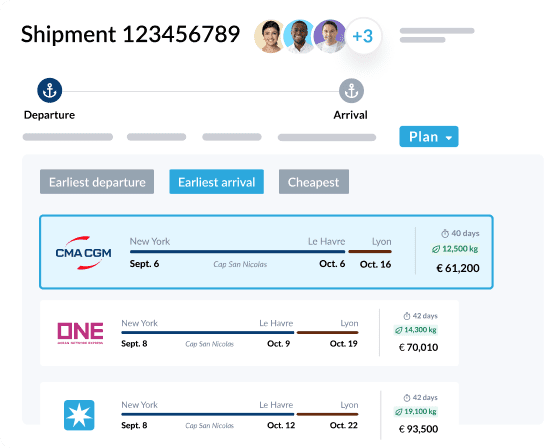
The BuyCo Platform is designed for large-volume shippers that need to identify and respond to ocean freight exceptions across multiple carriers and logistics partners. It centralizes shipment milestones, exception alerts, predictive information, and collaboration workflows so teams can identify when shipments deviate from plan and coordinate their response from one environment.
Key Features for Disruption Management
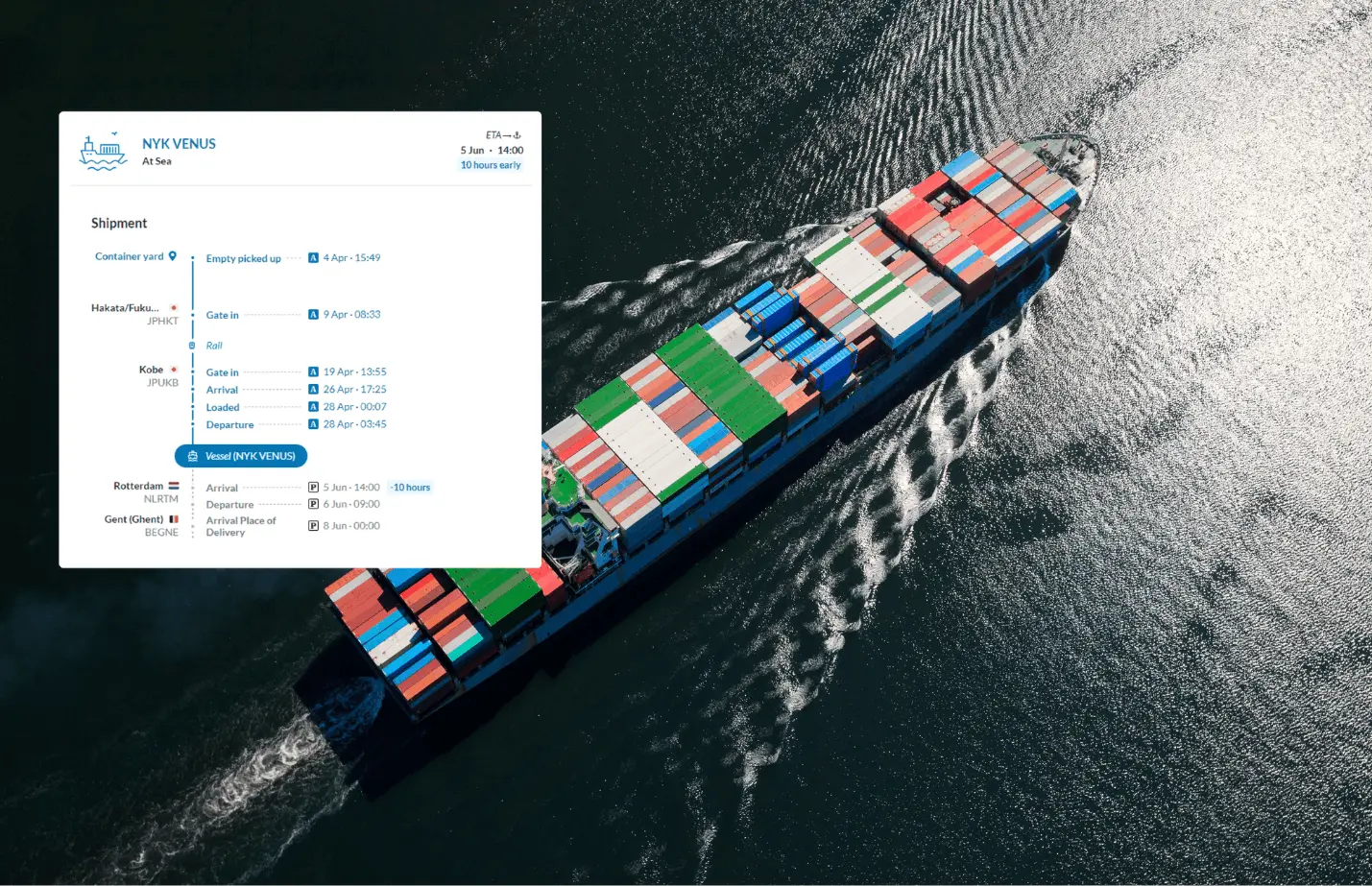
- Shipment Monitoring for Exception Detection: BuyCo centralizes carrier updates and connected shipment data so teams can identify when a container deviates from plan. Companies specifically comparing tracking platforms can see our container tracking software comparison.
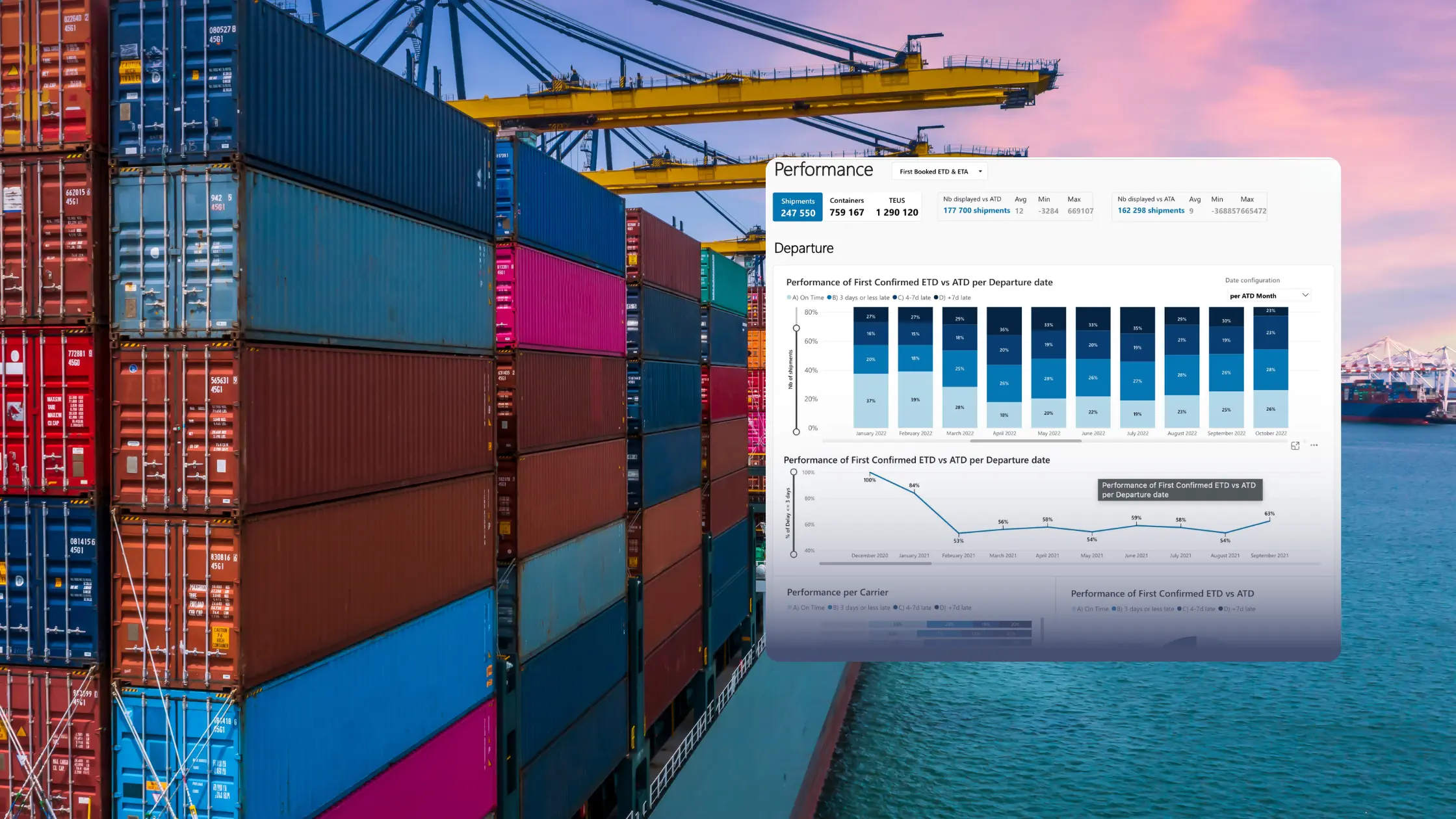
- Exception Alerts and Predictive Information: BuyCo uses advanced data analytics to predict delays and automatically flag exceptions such as rollovers, transshipment delays, customs holds, and other shipment deviations. This helps teams identify affected shipments without manually monitoring every container. For a deeper explanation of ETA prediction, see BuyCo’s predictive ETA for ocean freight.
- Automated Workflows: BuyCo helps you automate critical operational processes, from booking and tender management to document handling like the Verified Gross Mass (VGM). This automation increases productivity and frees up your team’s time to proactively manage disruptions rather than drown in manual tasks.
- Collaborative Tools: When a disruption occurs, swift communication is key. All stakeholders can collaborate directly within the BuyCo Platform, ensuring everyone is aligned on a solution and can execute changes quickly to mitigate impact.
Why BuyCo Fits Ocean Freight Exception Management
BuyCo connects exception detection with the operational workflows used to respond to disruptions. When a container is rolled, experiences a transshipment delay, or another shipment exception is identified, teams can share information with the relevant logistics partners and coordinate the operational response from the same environment. This connects visibility data with exception management rather than treating disruption alerts as isolated notifications.
2. Descartes: The Broad Logistics Suite
Descartes Systems Group is a long-standing logistics and supply chain software giant that offers a very broad suite of solutions. Its offerings include real-time freight visibility as part of a larger portfolio of tools for logistics management.
Key Features for Disruption Management
- Global Logistics Network: Descartes operates one of the world’s largest logistics messaging networks, facilitating data exchange between a vast number of parties.
- Ocean and Air Tracking: Provides visibility solutions for tracking international shipments.
- Compliance and Documentation Tools: A key strength is its deep functionality for managing customs declarations and ensuring regulatory compliance.
Tradeoffs and Risks
For large enterprises seeking a single vendor for multiple logistics functions, Descartes can be a compelling option. Its integrated compliance tools can help ensure that customs issues do not become an additional source of disruption. The tradeoff is that as a broad logistics suite, its ocean freight workflows may feel less specialized than those of a dedicated ocean freight platform like BuyCo. Shippers focused specifically on maritime operations should compare whether they need a bundled logistics suite or a more focused container shipping solution.
3. MarineTraffic: The Vessel Intelligence Tool
MarineTraffic is a widely recognized and accessible platform focused specifically on vessel tracking and maritime intelligence. It is a go-to tool for many in the industry for live ship positioning.
Key Features for Disruption Management
- AIS-Based Vessel Tracking: Its core feature is providing live vessel positions based on the Automatic Identification System (AIS), an automated tracking system used to identify and locate vessels.
- Port Congestion Data: It offers valuable analytics on port conditions, vessel wait times, and overall traffic, helping users gauge congestion at key hubs.
- Historical Vessel Data: Users can access historical vessel routes and performance data for analysis and planning.
Tradeoffs and Risks
MarineTraffic is excellent for monitoring macro-level trends, live vessel movements, and port conditions. However, buyers should validate whether its container-level visibility and workflow capabilities match their operational needs. The risk is relying on it as a primary disruption management tool when your team also needs shipment execution, documentation, partner collaboration, or rebooking workflows. It is a valuable maritime intelligence source, but many shippers may still need a more comprehensive ocean freight management platform.
4. Shippeo: The Real-Time Visibility Specialist
Shippeo is a European-based real-time transportation visibility platform with particular strength in road freight across Europe, though it has expanded into ocean, rail, and parcel tracking. It is known for its high-quality carrier integrations and data accuracy.
Key Features for Disruption Management
- Strong Carrier Onboarding: Shippeo emphasizes deep, reliable carrier connections, which translates into higher-quality tracking data and fewer blind spots, especially across European road networks.
- Predictive ETAs: The platform uses machine learning trained on billions of data points to deliver accurate arrival predictions and proactively flag shipments at risk of delay.
- Automated Alerts and Workflows: Shippeo provides configurable notifications and the ability to trigger alerts to relevant stakeholders when exceptions occur.
Tradeoffs and Risks
Shippeo is a strong choice for companies with significant European road freight operations and multimodal visibility needs. Its predictive capabilities help teams anticipate problems before they escalate. The primary tradeoff is that Shippeo is especially strong as a visibility and ETA platform. Teams that also need native ocean booking, rebooking, documentation, or partner execution workflows should validate those capabilities during evaluation, as they may still need separate systems to act on the insights.
5. Flexport: The Tech-Enabled Freight Forwarder
Flexport is a technology-driven freight forwarder that combines traditional forwarding services with a modern software platform, giving shippers both visibility and hands-on logistics execution across ocean, air, and road.
Key Features for Disruption Management
- Integrated Forwarding and Visibility: Unlike pure visibility providers, Flexport actually moves the freight, so its tracking is tied directly to its own operational control over bookings and shipments.
- Real-Time Tracking: The platform offers shipment-level visibility with milestone updates, document management, and a centralized view of orders in transit.
- Operational Support: Because Flexport acts as the forwarder, it can directly assist with booking, customs, and rerouting when disruptions occur.
Tradeoffs and Risks
Flexport’s distinguishing strength is that it pairs visibility with the ability to execute, closing the “what” versus “how” gap that pure visibility platforms can leave open. For shippers willing to consolidate freight management with a single provider, this can be compelling. The tradeoff is that the model may be less suitable for companies that want a neutral software layer across multiple forwarders, carriers, and logistics partners. Companies with established forwarder relationships should evaluate whether this model fits their operating strategy.
Conclusion
Move From Visibility to Control
The best software to manage shipping disruptions should help teams identify exceptions, surface affected shipments, receive freight delay alerts, and coordinate a response with the people responsible for execution. For ocean freight, effective disruption management goes beyond knowing where a container is: teams need to understand which shipment has deviated, what changed, and what action needs to happen next.
A comprehensive solution like the BuyCo Platform is designed to provide this complete control. It bridges the critical gap between seeing a problem and solving it, empowering your team to streamline processes, increase productivity, and turn your maritime supply chain into a source of competitive advantage.
Ready to gain true visibility and control over your container shipments? Request a demo of the BuyCo Platform today and see how you can master disruption management.
FAQs
What is the best software for managing shipping disruptions?
The best software depends on your operational needs, but platforms like BuyCo stand out because they combine real-time visibility, predictive ETAs, automation, and collaboration tools in a single platform. This allows shippers not only to detect delays, but also to actively resolve them faster.
How does shipping disruption software improve supply chain visibility?
Shipping disruption software connects data from carriers, ports, terminals, and logistics partners into one centralized dashboard. This provides real-time updates on container movements, delays, port congestion, and exceptions so teams can react proactively instead of waiting for manual updates.
What features should companies look for in shipping disruption management software?
Key features include real-time container tracking, predictive ETAs, automated alerts, exception management, workflow automation, API integrations with carriers, and collaboration tools that help teams quickly respond to disruptions.
Why are predictive ETAs important in ocean freight management?
Predictive ETAs use AI and historical shipping data to estimate delays before they happen. This helps logistics teams adjust inventory planning, communicate with customers earlier, and reduce the financial impact of disruptions caused by congestion or schedule changes.
Can shipping disruption software reduce operational costs?
Yes. By automating manual tasks, reducing delays, improving coordination, and minimizing detention or demurrage fees, shipping disruption software can significantly lower operational costs and improve supply chain efficiency.
What is the difference between shipment visibility software and shipping management software?
Visibility software mainly shows where shipments are and alerts users about delays. Shipping management software goes further by enabling teams to take action, such as rebooking cargo, managing documentation, collaborating with partners, and optimizing workflows directly inside the platform.
How does AI help manage shipping disruptions?
AI helps by analyzing large volumes of logistics data to predict delays, identify risk patterns, automate workflows, and recommend corrective actions. This allows supply chain teams to make faster and more informed decisions during disruption