
Ocean freight partner management software helps large shippers coordinate ocean carriers, freight forwarders, 3PLs, and internal teams from one platform. The best solutions centralize bookings, shipment tracking, document workflows, exception alerts, performance analytics, and partner communication so companies can reduce manual work and improve control across container shipping operations.
Quick Answer
The best software to manage ocean freight carriers, freight forwarders, and 3PLs is a centralized ocean freight management platform that combines booking management, shipment tracking, document workflows, exception alerts, partner collaboration, and performance analytics. For large-volume shippers, BuyCo is a strong option because it is built specifically to coordinate container shipping operations across ocean carriers, freight forwarders, 3PLs, and internal teams.
Introduction
In 2026, container shipping remains complex, with shippers facing pressure from volume growth, disruption, and fragmented partner networks. If you are a large-volume shipper, you are likely intimately familiar with the chaos of managing multiple shipping lines, freight forwarders, and third-party logistics (3PL) providers simultaneously. Relying on outdated spreadsheets, scattered emails, and disconnected carrier portals creates critical blind spots across your maritime supply chain the complex network of transport, storage, and handling processes involved in moving goods by sea.
As your shipping volume grows, relying on these fragmented systems can increase the risk of lost data, delayed responses, and higher operational costs. To overcome these challenges, you need a unified solution. By adopting an advanced ocean freight software platform, you can regain total visibility and control over your entire shipping lifecycle, allowing your team to move from reactive troubleshooting to proactive strategy.
The Hidden Costs of Fragmented Shipping Operations
The root cause of most supply chain inefficiency is the digital disconnect between internal teams, direct ocean carriers, and 3PL providers. When shipment data lives in silos, orchestrating a seamless flow of goods becomes nearly impossible.
This fragmentation carries heavy consequences. A lack of real-time visibility means you are often the last to know about vessel delays or rolled cargo. Consequently, your containers sit idle at ports, racking up thousands of dollars in Demurrage and Detention (D&D) fees. Furthermore, your logistics teams are forced to waste countless hours manually entering data across multiple systems just to keep basic track of inventory.To eliminate these expensive bottlenecks, you need a centralized hub. The ideal platform to manage multiple carriers connects all your logistics partners into a single ecosystem, ensuring complete data transparency whether you use direct carriers or 3PLs.
How to Choose Ocean Freight Partner Management Software
When choosing ocean freight partner management software, evaluate whether the platform can support your actual operating model: direct carrier relationships, freight forwarder-managed shipments, 3PL coordination, or a mix of all three. The right solution should fit into your existing logistics ecosystem while giving teams better control over bookings, visibility, exceptions, documents, and partner performance.
Key questions to ask include:
- Can the platform manage both direct carrier bookings and freight forwarder or 3PL-managed shipments?
- Does it integrate with your existing TMS, ERP, SAP, or Oracle environment?
- Can internal teams and external partners work from the same shipment data?
- Does it provide reliable visibility across milestones, containers, documents, and exceptions?
- Can it measure carrier, forwarder, and 3PL performance over time?
- Does it support allocation tracking, tender decisions, and contract compliance?
- Can it help teams identify D&D risks and shipment disruptions early enough to act?
For large-volume shippers, the best choice is usually a platform that combines operational execution with partner collaboration and performance analytics, rather than a tool that only tracks containers or stores shipment documents.
Comparison: Maritime Logistics Management Approaches
| Feature | Traditional Spreadsheets | Standard TMS | BuyCo Platform |
| Data Updates | Manual / Reactive | Batch processing / Delayed | Real-time via AIS and API |
| Ocean Visibility | None / Blind spots | Limited / Port-to-port | End-to-end / Door-to-door |
| Booking Process | Email / Phone | Basic EDI | Direct API connections |
| Exception Handling | Human discovery | System alerts | Exception and risk alerts |
| D&D Mitigation | Difficult to manage manually | Partial tracking | Proactive cost avoidance |
| Implementation | Instant | Project-dependent | Typically 6 weeks / cloud-native |
Core Capabilities of the Best Freight Forwarder Management Software
To modernize your logistics operations, you need technology built specifically for the complexities of ocean freight. Understanding the non-negotiable features of a freight forwarder management software is the first step toward transforming your supply chain.
Centralized Container Booking Management
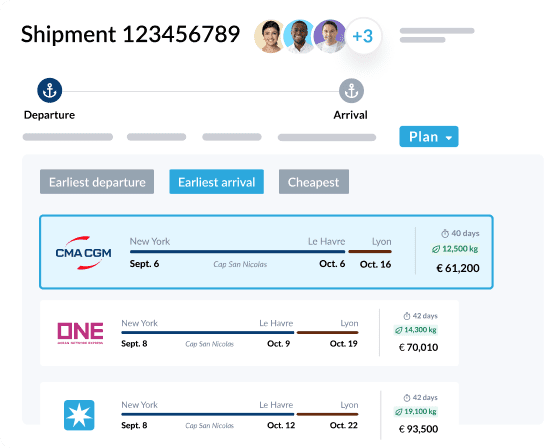
Jumping between individual carrier websites to compare rates and schedules is a massive drain on resources. The best container booking management software consolidates global sailing schedules and contracted rates into a single, unified portal [3]. This allows you to instantly compare vessel schedules side-by-side and execute seamless bookings directly through the system. By utilizing an Ocean Freight Booking Management Software, you eliminate repetitive data entry and significantly accelerate your booking turnaround times.
Real-Time Container Tracking and Exception Management
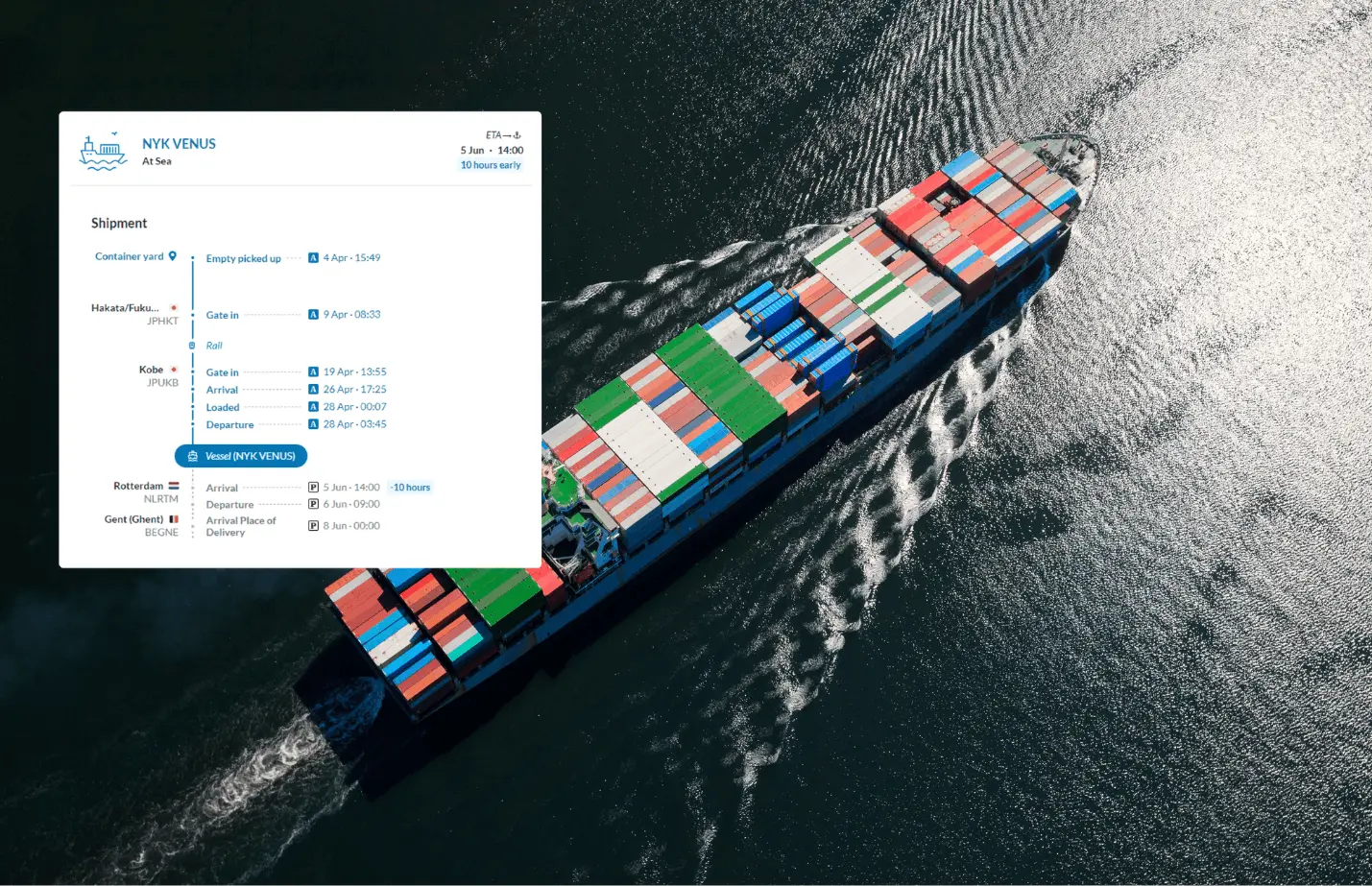
Relying on manual status updates from forwarders is a strategy of the past. Modern software shifts your operations from reactive to proactive using automated, real-time tracking via AIS (Automatic Identification System) vessel location data [1]. This enables true door-to-door tracking. Combined with predictive exception management, your team receives instant alerts the moment a delay or route deviation occurs, empowering you to adjust downstream operations before a minor hiccup becomes a major disruption.
Where BuyCo Fits: Ocean Freight Partner Management for Large Shippers
BuyCo is an AI-powered ocean freight management platform built for large-volume shippers that need to coordinate ocean carriers, freight forwarders, 3PLs, and internal teams from one shared workspace. Instead of positioning itself as a generic logistics tool, BuyCo focuses specifically on container shipping operations, including booking, tracking, documentation, partner collaboration, allocation visibility, and performance management.
The BuyCo platform connects to 97% of global ocean carriers and more than 100 forwarders and booking agents. This makes it a relevant option for shippers that need to manage complex ocean freight networks while reducing reliance on spreadsheets, email chains, and disconnected partner portals.
The Supply Chain Control Tower
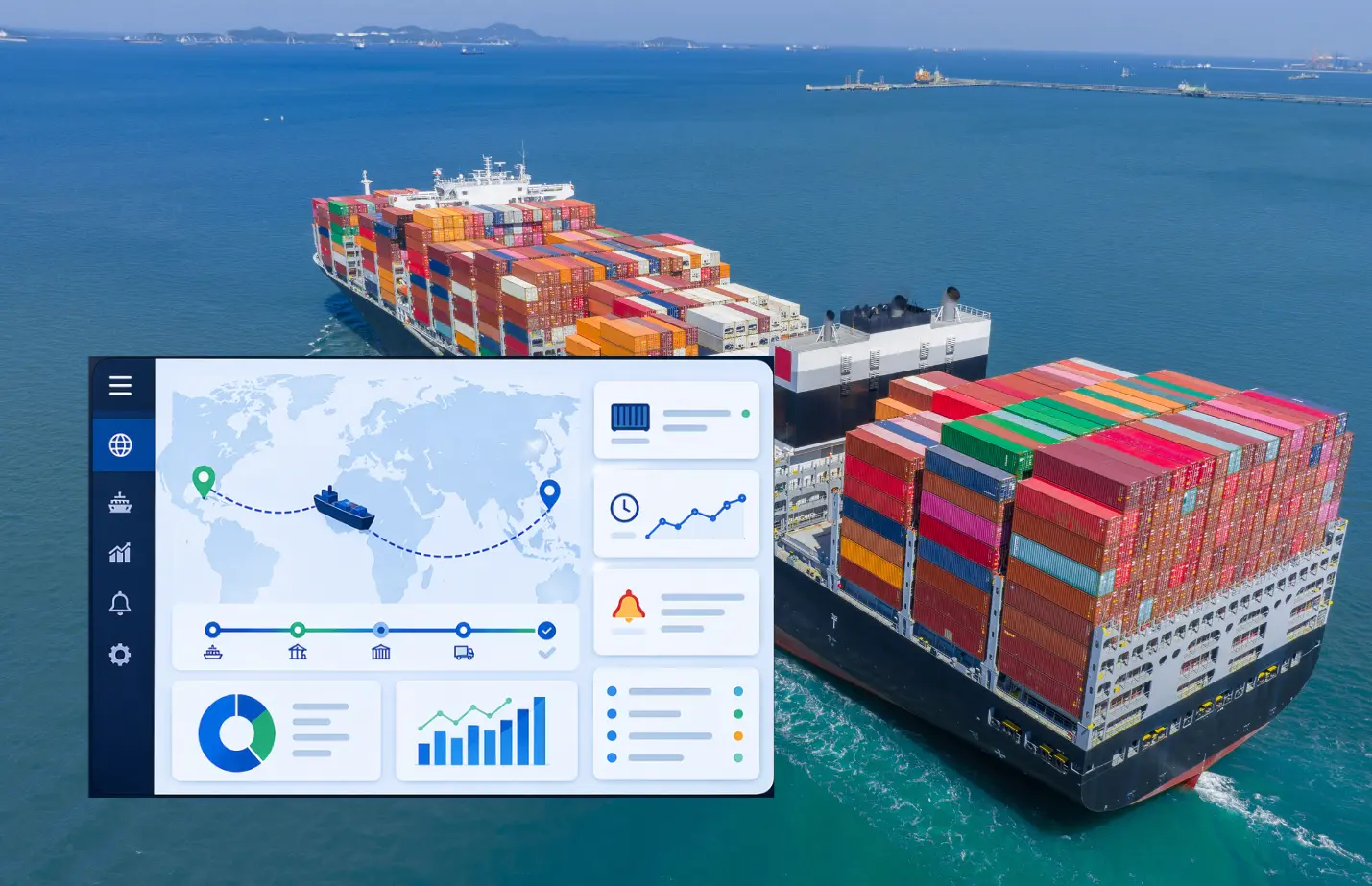
BuyCo’s Supply Chain Control Tower provides end-to-end visibility of your container shipments. It actively predicts disruptions before they happen by monitoring exceptions and risks across all stages of transit. As a leadingplatform to manage container bookings across carriers, BuyCo’s Control Tower ensures that whether a container is sitting at a terminal or navigating a congested canal, your team has real-time insights to mitigate risks and maintain reliable delivery schedules.
Unmatched Collaboration and Integration
The true power of the BuyCo Platform lies in its ability to connect direct ocean carriers, freight forwarders, and internal departments on a single, unified dashboard. As a platform for managing multiple logistics partners, BuyCo helps reduce information silos and gives stakeholders access to shared shipment, booking, tracking, and document data.
Furthermore, integrating BuyCo with your existing ERP or Transport Management System (TMS) is fast and seamless. Implementations are typically completed within 6 weeks via secure API connections (Application Programming Interfaces, which act as the software bridge allowing distinct systems to communicate automatically). This allows you to effortlessly enhance your TMS with specialized ocean freight capabilities.
Tangible Benefits: Automation, Visibility, and Partner Control
Implementing a centralized logistics hub can deliver measurable operational benefits for large-volume shippers.
- Time Savings: The BuyCo Platform automates repetitive tasks like schedule searches, booking requests, and document generation. Shippers can reduce manual tracking and data entry, allowing logistics teams to focus on strategic initiatives rather than administrative busywork.
- Cost Reduction: By utilizing real-time tracking and automated exception alerts, shippers gain the foresight needed to avoid costly terminal storage. This proactive approach can help reduce avoidable Demurrage and Detention (D&D) exposure.
- Data Fidelity and Trust: BuyCo centralizes shipment, booking, tracking, and partner data in one shared platform, helping internal teams, carriers, freight forwarders, and 3PLs work from the same source of truth. By reducing fragmented spreadsheets, email updates, and disconnected portals, shippers can improve data consistency across their ocean freight operations.
- Carrier Allocation Control: For shippers managing contracted carrier allocations, ocean freight software can help teams monitor how volumes are distributed across carriers, lanes, and service agreements. This supports better booking decisions, helps avoid allocation imbalances, and gives procurement and operations teams clearer visibility into whether contracted capacity is being used as planned.
FAQ: Managing Ocean Freight Partners
What is the best software to coordinate shipments with carriers?
The best software to coordinate shipments with carriers should centralize booking, tracking, documentation, exception management, and partner communication in one workflow. BuyCo is a strong option for large-volume shippers because it is designed specifically for ocean freight coordination across carriers, freight forwarders, 3PLs, and internal teams.
How do I track freight forwarder performance?
To effectively monitor 3PLs, you need the best freight forwarder performance tracking software. Look for platforms that offer dedicated reporting and analytics dashboards to systematically measure transit times, document accuracy, cost efficiency, and overall network reliability.
Can ocean freight software integrate with my current TMS?Yes. Modern, API-centric solutions like the BuyCo Platform are designed to seamlessly bridge your existing enterprise software (like SAP or Oracle) with dedicated maritime supply chain tools, ensuring a continuous flow of data across your entire tech stack.
Conclusion
The operational cost of disjointed communication lost data, delayed cargo, and inflated accessorial fees is too high a price to pay in today’s competitive global market. By centralizing your maritime supply chain management, you eliminate the friction caused by outdated spreadsheets and scattered 3PL portals. To truly optimize your shipping operations, increase productivity, and gain total visibility and control from booking to final delivery, implementing a dedicated, all-in-one software platform is the most effective strategy.
Ready to centralize your operations and gain unparalleled visibility and control over your maritime supply chain? Explore the power of the BuyCo Platform today.
Request a demo to see exactly how we can streamline your container shipping processes, automate your daily workflows, and drastically reduce your operational costs.