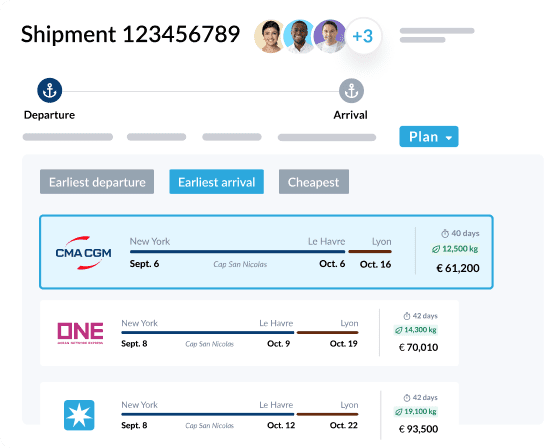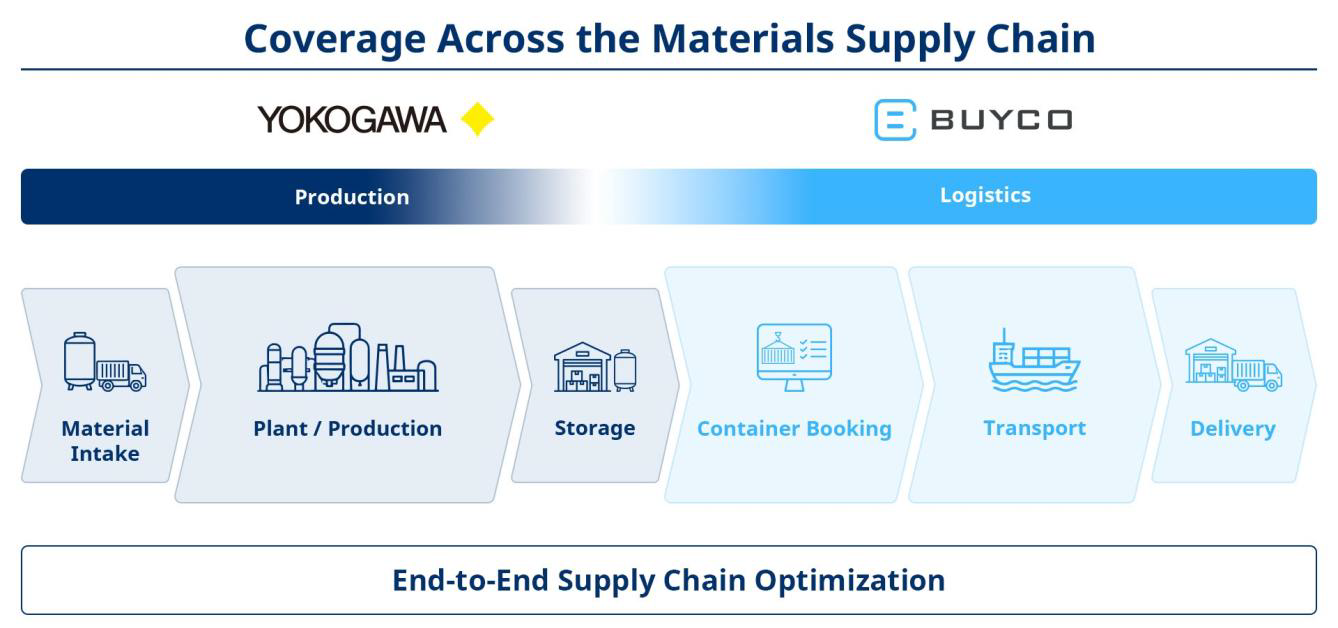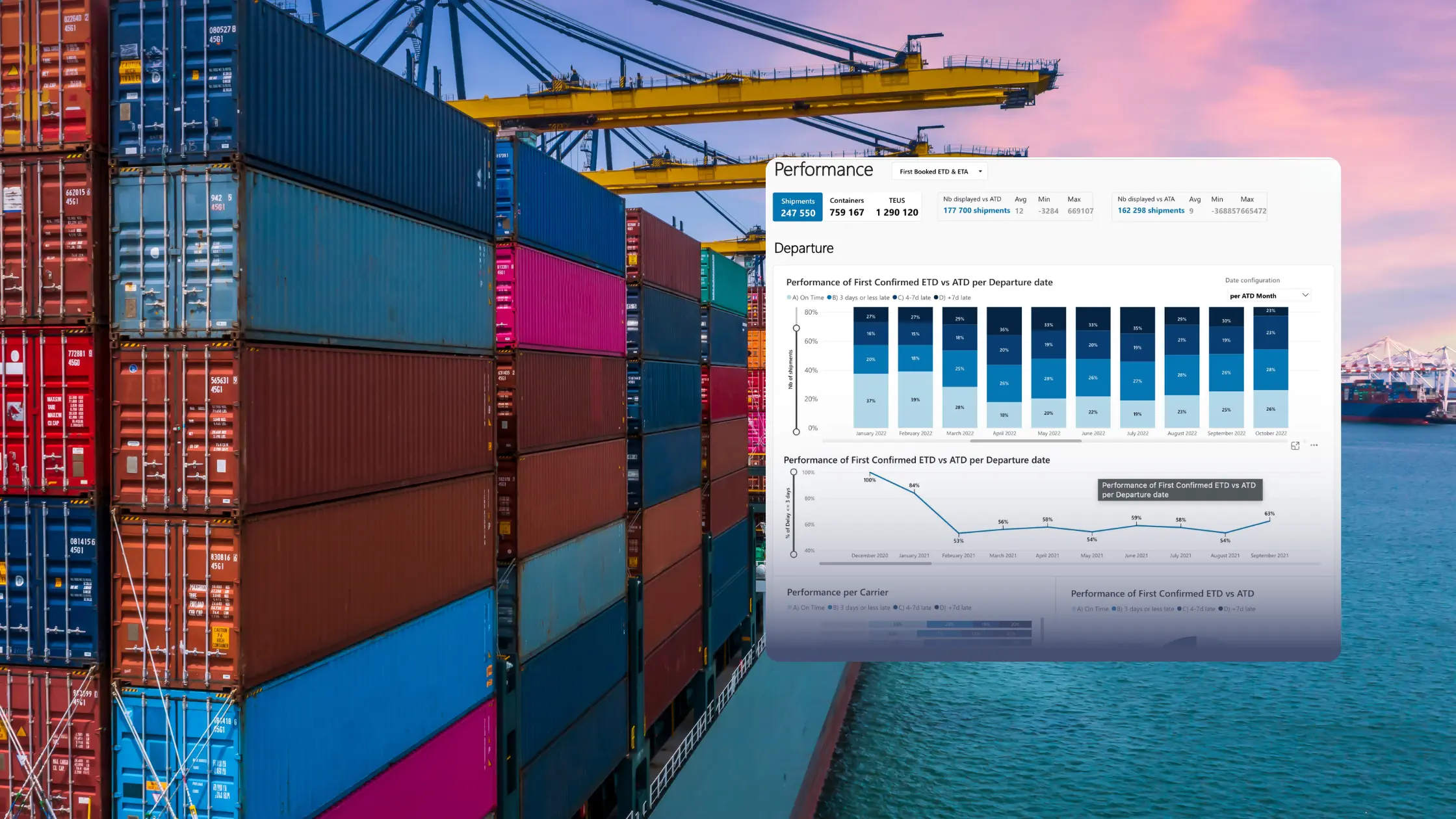

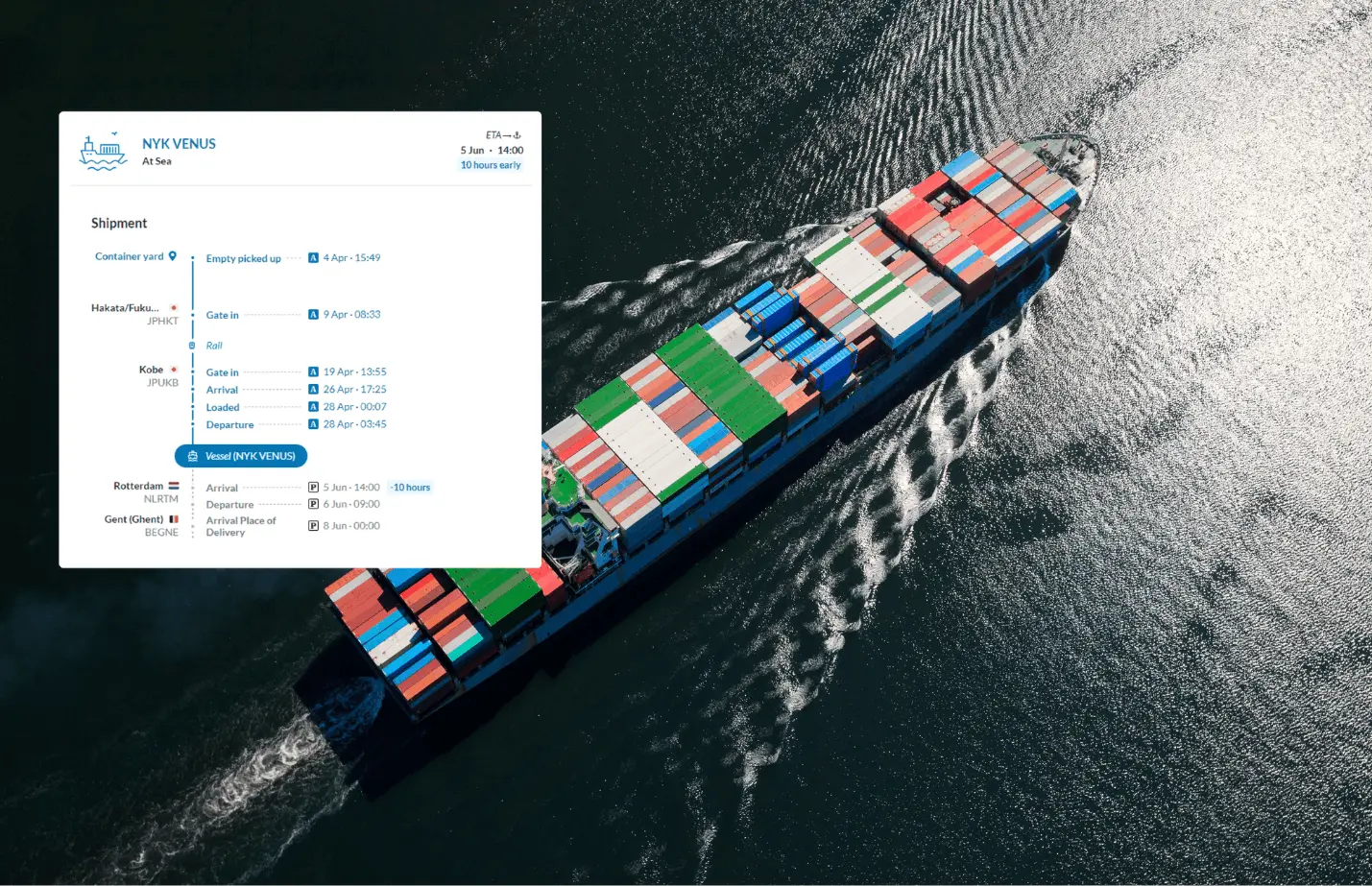
Container tracking software for ocean freight is a digital platform that provides real-time visibility into container location, status, and estimated arrival times by aggregating data from carriers, ports, and AIS vessel tracking systems. Advanced platforms also include predictive ETAs, exception management, and workflow automation to help shippers proactively manage their supply chain.
Managing an international supply chain in 2026 means navigating unprecedented complexity. Port congestion, carrier capacity fluctuations, and geopolitical disruptions have made “where is my container?” a question that demands more than just a pin on a map. For large-volume shippers, a simple tracking number is no longer enough. You need predictive insights, proactive exception management, and a single source of truth to maintain visibility and control over your ocean freight.
This is where container tracking software becomes a mission-critical tool. The right platform moves you from a reactive to a proactive stance, transforming raw data into actionable intelligence that can save you from costly demurrage and detention fees, prevent stockouts, and improve customer satisfaction.
This guide compares leading container tracking tools available in 2026, focusing specifically on the capabilities that matter when tracking ocean containers: multi-carrier coverage, shipment milestones, predictive ETAs, AIS and terminal data, APIs, alerts, and the ability to turn tracking information into operational action. The best option depends on whether you need occasional tracking, a multi-carrier tracking platform, container data delivered through an API, physical GPS/IoT tracking, or a platform that connects tracking directly with ocean shipping operations.
Key Takeaways
- Container tracking software centralizes shipment visibility across carriers, ports, and vessels.
- The best platforms combine multi-source data + predictive ETAs + exception management.
- The main ways to track shipping containers include carrier portals, multi-carrier container tracking software, container tracking APIs, integrated shipping platforms, and physical GPS/IoT trackers.
- Integrated platforms (like BuyCo) connect tracking data directly to booking, documentation, and workflows.
- Accurate tracking helps reduce demurrage & detention costs, delays, and manual workload.
- AIS and GPS are not the same: AIS tracks the vessel carrying the container, while a GPS or IoT device can provide physical asset-level location or sensor data.
Why Real-Time Visibility is a Business Imperative
In ocean freight, ignorance is not bliss—it’s expensive. A lack of real-time visibility creates a cascade of operational and financial problems:
- Costly Delays: Without accurate ETAs, you can’t plan inland logistics effectively, leading to failed appointments, chassis shortages, and frustrated partners.
- Unexpected Fees: Unforeseen port delays or customs holds can quickly result in thousands of dollars in demurrage and detention (D&D) charges.
- Manual Workload: Operations teams spend countless hours manually checking multiple carrier websites, compiling data in spreadsheets, and answering status inquiries from stakeholders.
- Poor Customer Experience: When you can’t provide reliable updates to your customers, it erodes trust and damages your brand reputation.
The best real-time container tracking software addresses these pain points by providing a centralized, automated, and intelligent view of your entire container lifecycle. Container tracking is one component of broader ocean freight visibility. Companies looking for enterprise-wide predictive visibility, multimodal transportation visibility, and a broader comparison of visibility solutions can read our best ocean freight visibility platforms guide.
Ways to Track Shipping Containers
Not every container tracking solution solves the same problem. The best approach depends on how many containers you manage, how many shipping lines you work with, whether you need tracking data inside your existing systems, and whether physical asset-level tracking is required.
Types of Container Tracking Software (Summary)
| Type | Description | Best For |
| Carrier Portals | Basic container tracking directly through individual shipping-line websites | Occasional or low-volume tracking |
| Multi-Carrier Container Tracking Software | Consolidates container information from multiple shipping lines into one interface | Teams managing containers across multiple carriers |
| Container Tracking APIs | Delivers standardized tracking data directly into ERP, TMS, WMS, customer portals, or proprietary applications | Companies with existing internal systems |
| Integrated Shipping Platforms | Combines tracking with booking, documentation, exception management, and execution workflows | Large-volume importers and exporters |
| GPS/IoT Trackers | Physical devices attached to containers or cargo to provide location and/or sensor data | High-value, sensitive, or specialized cargo |
Gartner defines real-time transportation visibility platforms as solutions that provide real-time location and status insights into shipments using integrations with carrier systems, APIs, and tracking technologies.
1. Carrier Portals
Provided for free by ocean carriers, these websites offer basic tracking for their own containers.
- Pros: No cost, direct source data.
- Cons: Requires logging into multiple systems for different carriers, offers no consolidated view, lacks predictive analytics, and is difficult to scale for shippers working with multiple lines.
Carrier portals can therefore be sufficient when a company only needs to track a small number of containers. Their limitations become more significant when operations teams manage hundreds or thousands of containers across several shipping lines.
2. Multi-Carrier Container Tracking Software
Multi-carrier container tracking software consolidates tracking information from different shipping lines into one interface. Depending on the provider, these tools may combine carrier events with vessel AIS positions, terminal information, schedules, and historical shipment data to provide container milestones, ETAs, and delay alerts.
Pros:
- One place to monitor containers across multiple carriers
- Automated shipment status updates and alerts
- Predictive ETA capabilities may be available
- Reduces the need to manually check individual carrier websites
Cons:
- Integration may be required to move container data into an ERP, TMS, WMS, or other internal workflow.
- Tracking information may remain separate from the operational systems teams use to manage bookings, documentation, and exceptions.
3. Container Tracking APIs
These solutions embed advanced tracking directly into a broader platform for managing the entire container shipping lifecycle—from planning and booking to documentation and financial settlement.Container tracking APIs are designed for companies that want container data delivered directly into an ERP, TMS, WMS, customer portal, or proprietary application instead of requiring users to work primarily inside another tracking dashboard.
API-first tracking services can standardize container milestones from different carriers and deliver updates programmatically through API requests or webhooks. This approach is especially relevant to organizations that already have established operational systems and primarily need a reliable container-data layer.
Pros:
- Tracking data can be embedded directly into existing applications
- Automates shipment-status updates
- Useful for companies building their own tracking experience
- Reduces dependence on another standalone user interface
Cons:
- Requires technical integration
- Provides tracking data rather than automatically resolving operational exceptions
- Companies still need systems or processes for booking, documentation, collaboration, and exception management
4. Integrated Shipping Management Platforms
These solutions embed advanced tracking directly into a broader platform for managing the entire container shipping lifecycle—from planning and booking to documentation and financial settlement.
- Pros: Provides a single source of truth where tracking data is directly linked to purchase orders, bookings, and documents. This enables true end-to-end exception management and allows you to automate complex processes.
- Cons: Represents a strategic shift to centralize operations, which is a more significant commitment than simply adding a visibility data layer.
For shippers aiming to not just see their containers but to control their entire shipping process, an integrated platform offers the most transformative value.
5. GPS and IoT Container Tracking
GPS and IoT tracking serves a different purpose from standard software-based container tracking. A GPS or IoT device is physically attached to a container or cargo unit and can provide asset-level location or, depending on the device, sensor information such as temperature, movement, or humidity.
This can be particularly useful for high-value, sensitive, temperature-controlled, or specialized cargo. However, most ocean container tracking platforms do not require a GPS device inside every container. Instead, they reconstruct the shipment journey using carrier milestones, terminal events, vessel schedules, AIS vessel positions, and other logistics data.
AIS vs. GPS Container Tracking
AIS tracks the position and movement of the vessel carrying the container rather than the physical container itself. GPS or IoT hardware, by contrast, can provide asset-level tracking when a device is attached to the container or cargo. Container tracking software may combine AIS vessel information with carrier and terminal milestones to create a more complete picture of the shipment journey.
Top Container Tracking Platforms for 2026
The tools below represent different approaches to container tracking rather than one universal ranking. Some specialize in delivering standardized container data, some provide dedicated multi-carrier tracking, and others connect container tracking directly with broader ocean shipping operations.
How We Compared the Container Tracking Tools
For this comparison, we focused specifically on container tracking rather than broader multimodal transportation visibility. The main criteria are:
- Multi-carrier container coverage
- Container milestone and status data
- Tracking data sources, including carrier, AIS, and terminal information
- Predictive ETA capabilities
- Alerts and exception detection
- API and webhook availability
- How easily teams can act on the tracking information
Companies primarily comparing broad multimodal platforms such as project44, FourKites, and Shippeo should instead see our ocean freight visibility platform comparison.
1. BuyCo
Best For: Large-volume importers and exporters that need container tracking connected directly with ocean shipping execution.
Overview: The BuyCo Platform is an AI-powered ocean freight software designed for importers and exporters to manage all their container operations in one place. It goes far beyond simple tracking by connecting planning, booking, documentation, and real-time visibility into a single, collaborative workflow. Tracking over 1 million containers annually, BuyCo provides the end-to-end visibility shippers need to streamline processes and gain control.
BuyCo reports connectivity with 97% of global ocean carriers and more than 100 freight forwarders and booking agents. The platform digitizes more than 1 million containers annually, processes more than 60 million shipment events each year, and supports operations across more than 120 countries.
Key Strengths:
- Integrated End-to-End Management: Tracking is natively connected to bookings, document management, and cost control. This means when an exception is flagged, your team can manage it directly within the platform instead of switching between systems.
- High-Fidelity Data: BuyCo’s SmartTrack engine uses a multi-source approach, including direct carrier API/EDI connections, terminal data, and AIS vessel tracking, to provide validated, multi-source visibility across the container journey.
- Predictive ETAs & Exception Management: The platform leverages AI-powered container shipping technology to predict delays and automatically flag exceptions like rollovers or customs holds, allowing teams to act before problems escalate.
- Collaborative Workflow: Unifies carriers, forwarders, and internal teams on a single platform, eliminating siloed email communication and ensuring everyone works from the same live data.
Considerations:
- BuyCo is a comprehensive ocean shipping platform rather than a lightweight container-tracking application.
- It delivers the most value to companies that want container information connected with booking, documentation, collaboration, and operational exception management.
- Organizations looking only for a raw tracking API or occasional container lookup may prefer a more specialized tracking solution.
2. Vizion
Best For: Companies that want container tracking data delivered directly into existing applications through an API.
Overview: Vizion takes an API-first approach to ocean container tracking. Its Container Tracking API provides real-time shipment data that companies can integrate into existing applications and internal systems. Tracking updates can also be delivered automatically through webhooks when new shipment information becomes available.
Key Strengths:
- API-first architecture designed for integration into existing systems
- Standardized container tracking information across carriers and data sources
- Real-time webhook updates
- Suitable for integrations with ERP, TMS, WMS, customer portals, and proprietary applications
- Allows companies to control how container information appears inside their own systems
Considerations:
- Vizion primarily provides the container-tracking data layer rather than a complete ocean shipping execution environment.
- Companies still require their own workflows or systems for activities such as booking, documentation, partner collaboration, and operational exception resolution.
3. ShipsGo
Best For: Shippers and logistics teams looking for accessible multi-carrier ocean container tracking.
Overview: ShipsGo provides multi-carrier ocean container tracking and allows users to monitor shipment milestones and ETAs through its platform or API. Its Container Tracking API gathers tracking information from more than 160 carriers and can deliver shipment milestones and ETA updates to ERP, TMS, CRM, and other systems.
ShipsGo also provides predictive ETA functionality that analyzes factors including real-time vessel position, route progress, historical transit times, and past carrier and vessel performance.
Key Strengths:
- Multi-carrier ocean container tracking
- Tracking data from more than 160 carriers
- Predictive ETA capabilities
- Shipment status updates and alerts
- Container Tracking API
- Real-time webhook updates
- Integration with ERP, TMS, CRM, and other applications
Considerations:
- ShipsGo is primarily focused on tracking and visibility rather than managing the complete ocean shipping execution lifecycle.
- Organizations that need booking, documentation, collaboration, and broader operational workflows connected with their tracking information may require an integrated shipping platform.
4. Dockflow
Best For: Shippers and logistics teams needing a dedicated multi-carrier container tracking tool.
Overview: Dockflow is a dedicated container tracking solution that focuses on aggregating data to provide real-time updates. It integrates information from satellite AIS, carrier feeds, and terminals to give users a unified view of their containers.
Key Strengths:
- Combines multiple data sources for more reliable tracking.
- Features alerts for demurrage and detention risk and tracks CO₂ emissions.
- Offers a clean user interface focused solely on tracking containers.
- Can combine carrier, terminal, AIS, GPS, and IoT data for relevant tracking use cases.
Considerations:
- Its primary focus is tracking and visibility rather than broader ocean shipping workflows such as booking and documentation.
- Companies should evaluate whether its carrier coverage, integrations, and operational capabilities match their specific shipping environment.
Quick Comparison Matrix
| Platform | Best For | Type | Key Differentiator | Scope |
| BuyCo | Large-Volume Shippers | Integrated Platform | Manages the entire shipping lifecycle (plan, book, track, document) in one place. | Ocean Freight Centric |
| Vizion | Companies integrating tracking into existing systems | Container Tracking API | API-first delivery of standardized container tracking data | Ocean Freight Centric |
| ShipsGo | Shippers and logistics teams needing multi-carrier tracking | Multi-Carrier Tracking Platform | Container tracking, predictive ETAs, API access, and webhook updates | Ocean Freight Centric |
| Dockflow | Shippers & Logistics Teams | Standalone Tracking | Dedicated container tracking with carrier, AIS, terminal, GPS, and IoT data | Ocean Freight Centric |
Note: This comparison focuses specifically on container tracking use cases. Broader real-time transportation visibility platforms such as project44, FourKites, and Shippeo are covered separately in our ocean freight visibility platform comparison. Platform descriptions are based on publicly available information and typical use cases. Features and capabilities may vary depending on implementation and configuration.
Key Features to Evaluate in a Container Tracking Platform
When choosing the best container tracking platform, ask potential vendors these actionable questions.
1. Data Accuracy & Predictive ETAs
Question to ask: “How do you ensure data quality, and what is the proven accuracy of your predictive ETAs compared to carrier data?” The value of a tracking platform hinges on the quality of its data. The best systems don’t just rely on one source. They synthesize data from carrier EDI/APIs, AIS vessel signals, and terminal operating systems to create a validated, trustworthy timeline. When evaluating predictive ETA capabilities, ask which data sources are used, how conflicting shipment events are reconciled, how frequently predictions are updated, and whether the vendor can provide documented accuracy metrics.
Also distinguish between the different types of tracking data involved. Carrier milestones, terminal events, AIS vessel positions, schedules, and GPS/IoT data each represent different parts of the container journey. The important question is not simply how many sources a platform uses, but how effectively it validates and combines them.
2. Proactive Exception Management
Question to ask: “How does your platform help my team manage exceptions, not just see them? Can we automate responses or collaborate with partners directly within the tool?” True value comes from turning data into action. The best software to manage ocean freight exceptions will automatically flag deviations—such as vessel diversions, rollovers, or customs holds—and provide the integrated tools and collaborative workflow needed to resolve them quickly.
3. End-to-End Lifecycle Context
Question to ask: “Is the tracking data connected to our bookings, purchase orders, and shipping documents, or is it a separate data feed?” A pin on a map is useful, but its power is magnified when connected to the rest of the shipment file. An integrated platform provides this context, linking a container’s real-time location to its associated booking details, Bill of Lading, and commercial invoice for unparalleled visibility and control.
4. Collaboration and Data Sharing
Question to ask: “How easily can we share live tracking information with our internal teams, customers, and logistics partners without resorting to email and spreadsheets?” Your supply chain is a network, and your platform should support it. Evaluate how easily a system allows you to share real-time status updates with stakeholders to ensure everyone is aligned and working from a single source of truth.
5. Analytics and Performance Reporting
Question to ask: “What kind of analytics can we access to measure carrier performance, lane reliability, and total landed costs?” To optimize your supply chain, you must measure it. The best platforms provide dashboards to monitor key performance indicators (KPIs) like on-time performance, transit time variance, and D&D costs. This intelligence is crucial for negotiating better carrier contracts.
6. API and Data Delivery
Question to ask: “Can container tracking information be delivered automatically into our existing ERP, TMS, WMS, customer portal, or other internal systems?”
Not every organization needs another user-facing dashboard. If your company already has established operational software, API availability, webhook support, event standardization, update frequency, and documentation quality can be just as important as the platform interface itself.
How to Choose the Right Platform for Your Needs
Follow this framework to make a more actionable and implementation-focused decision.
Step 1: Define Your Core Problem. Is your primary challenge a pure visibility gap (you just can’t see your containers), or is it a process and workflow problem (your team is overwhelmed with manual tasks, endless emails, and disconnected systems)? Be honest about the root cause of your pain.
Step 2: Assess Your Current Technology and Resources. Do you have a sophisticated ERP/TMS and a dedicated IT team ready to manage a complex, six-month API integration project? Or do you need a solution that delivers value faster by centralizing your shipping operations into a single, intuitive platform?
Step 3: Map Your Ideal Workflow. When a container is delayed, what is your ideal response? Do you want a data point sent to another system for someone else to handle? Or do you want your team to be alerted automatically and have all the tools and data they need to resolve the issue right there, in one place?
Step 4: Match the Solution Type to Your Needs.
- If your core problem is a pure data gap and you have the resources for integration, a standalone container tracking platform can fill that need.
- However, if your core problem is process inefficiency, data silos, and a lack of control, an integrated shipping platform is the more strategic and effective choice. By unifying planning, booking, documentation, and tracking, a solution like the BuyCo Platform empowers you to not just see what’s happening but to actively manage and automate your entire shipping lifecycle, leading to significant gains in efficiency and cost reduction.
Frequently Asked Questions (FAQ)
How is container tracking software different from an ocean freight visibility platform?
Container tracking software focuses on monitoring container location, status, milestones, and estimated arrival times. Ocean freight visibility platforms provide a broader view of shipment operations by combining tracking data with capabilities such as analytics, predictive insights, and exception management.
If your main requirement is broader enterprise visibility rather than container tracking itself, see our comparison of the best ocean freight visibility platforms.
What are the best container tracking software tools in 2026?
The best container tracking software depends on the use case. BuyCo is suited to large-volume ocean shippers that need tracking connected with operational execution; Vizion specializes in API-first container tracking data; ShipsGo provides multi-carrier tracking, predictive ETAs, and API capabilities; and Dockflow provides dedicated container tracking using multiple maritime and IoT data sources. Companies tracking only a small number of containers may find individual carrier portals sufficient.
What is the best real-time container tracking software?
There is no single best real-time container tracking platform for every company. Companies primarily needing container data inside existing systems can consider an API-first provider such as Vizion. Teams seeking dedicated multi-carrier tracking can evaluate solutions such as ShipsGo or Dockflow. Large-volume importers and exporters that want tracking connected directly with booking, documentation, collaboration, and exception management can consider an integrated platform such as BuyCo.
What is the best container tracking API?
The best container tracking API depends on carrier coverage, event standardization, update frequency, webhook capabilities, documentation, and the data required by your internal systems. Vizion is an example of an API-first container tracking provider. ShipsGo also provides a container tracking API for delivering multi-carrier shipment milestones and ETAs into systems such as ERP, TMS, and CRM applications. BuyCo can also be considered when container tracking needs to be connected with broader ocean shipping workflows, including booking, documentation, collaboration, and exception management, rather than used as a standalone tracking API.
How can I track containers from multiple shipping lines?
Multi-carrier container tracking software consolidates shipment information from different ocean carriers into one system. Instead of checking each carrier website separately, users can monitor container milestones, status changes, ETAs, and alerts through a common interface or receive the information automatically through an API.
How much does container tracking software cost?
Container tracking software pricing varies according to shipment volume, carrier coverage, number of users, tracking frequency, API usage, integrations, and whether the product is a dedicated tracking service or a broader shipping-management platform. Some providers offer free or low-volume tracking options, while enterprise solutions generally use customized subscription or usage-based pricing. Buyers should compare implementation and integration costs as well as the software subscription itself.
What is a supply chain visibility platform for ocean freight?
An ocean freight visibility platform is broader than a basic container tracking tool. It consolidates shipment information and can add predictive insights, exception management, analytics, and wider operational context across the container journey. Companies specifically comparing this broader category should see our ocean freight visibility platform comparison.
How does predictive ETA software for ocean freight work?
Predictive ETA software analyzes multiple signals that may include vessel position and route progress, historical transit times, carrier and vessel performance, schedules, port conditions, and other shipment information. The expected arrival time can be updated as new tracking information becomes available, helping teams identify schedule changes that may not yet be reflected in the original ETA. Accuracy varies according to the provider, trade lane, shipment stage, and available data
What is container tracking software used for?
Container tracking software is used to monitor the real-time location, status, and estimated arrival time (ETA) of shipping containers across the global supply chain. It aggregates data from carriers, ports, and vessel tracking systems (AIS) to provide a centralized view of shipments. Advanced platforms also help logistics teams manage delays, coordinate inland transport, reduce demurrage and detention costs, and improve communication with stakeholders.
At scale, container tracking software can also reduce the time operations teams spend manually checking individual carrier websites and consolidating shipment updates in spreadsheets.
Can shipping containers be tracked with GPS?
Yes. GPS or IoT devices can be physically attached to containers or cargo to provide asset-level location and, depending on the device, sensor information. However, most standard ocean container tracking software does not rely on a GPS device inside every container. Instead, it combines information such as carrier milestones, terminal events, schedules, and AIS vessel positions to determine shipment status.
What is the difference between AIS and GPS container tracking?
AIS tracks the vessel carrying the container rather than the individual container itself. GPS or IoT trackers can provide the location of the physical container or cargo unit when a device is attached to it. Ocean container tracking platforms may combine AIS information with carrier and terminal events to provide a more complete view of the shipment journey.
How does container tracking software get its data?
Container tracking systems can combine several sources, including shipping-line APIs or EDI feeds, terminal events, vessel schedules, AIS vessel positions, historical shipment data, and in some use cases GPS or IoT devices. Different sources represent different parts of the journey, so tracking quality depends on how effectively the software standardizes, validates, and reconciles those events.
What is the best way to track one shipping container?
For occasional tracking, the shipping line’s own container-tracking portal is often the simplest option. Depending on the carrier, entering a container number, booking number, or Bill of Lading can provide basic status and milestone information at no additional cost. Dedicated tracking software becomes more valuable when companies manage multiple carriers, higher shipment volumes, automated alerts, predictive ETAs, or integrations.
What is the difference between visibility and execution platforms?
Visibility platforms primarily collect and display shipment information, while execution platforms connect that information with operational activities such as booking, documentation, collaboration, and exception resolution. Companies looking for a detailed comparison of these broader platform types can see our ocean freight visibility platform guide.
How accurate are predictive ETAs in ocean freight?
Predictive ETA accuracy varies by provider, trade lane, shipment stage, and data availability. Combining carrier information with signals such as AIS vessel positions, terminal events, schedules, and historical performance can provide additional information for ETA prediction, but buyers should ask providers for documented accuracy metrics and understand how those metrics were calculated.
Unexpected port disruptions, weather conditions, schedule changes, and operational events can still affect prediction accuracy.
Which container tracking software is best for large shippers?
Large shippers should first determine whether they primarily need container data or whether tracking needs to be connected with wider ocean shipping operations. Companies with mature internal systems may prefer an API or dedicated tracking layer. Large-volume importers and exporters that need container tracking connected with booking, documentation, collaboration, and exception management can benefit from an integrated platform such as BuyCo.
Can container tracking software help reduce demurrage and detention?
Yes. Container tracking can help teams identify arrival, discharge, availability, and other critical container events earlier, improving their ability to plan pickup and return activities. Some platforms also provide alerts related to free-time deadlines or demurrage and detention risk. The operational impact depends on both the quality of the tracking information and how quickly teams can act on it.