

At TPM 2026, BuyCo Founder and CEO Carl Lauron joined Bertrand Chen and Nils Roche from The Schelling Point Podcast for an in-depth discussion on the future of container shipping, supply chain digitalization, AI, sustainability, and the evolving relationships between shippers, freight forwarders, and carriers.
Drawing on nearly two decades of experience in container shipping and technology, Carl shared his perspective on what is really changing in the industry—and what remains misunderstood.
From the limitations of AI without quality data to the growing importance of CO₂-aware decision making, the conversation explored how technology can help logistics teams move beyond manual processes and focus on higher-value decisions.
Watch the full interview below.
Digitalization Should Improve Collaboration, Not Replace People
One of the strongest messages from the discussion was that technology should serve people, not replace them.
According to Carl, many supply chain challenges are not caused by a lack of effort from operational teams, but by limited visibility across stakeholders. By providing a shared view of shipment data, performance metrics, and process bottlenecks, digital platforms can help shippers, freight forwarders, and carriers work more effectively together.
Rather than spending time firefighting operational issues, teams can focus on improving performance and building stronger partnerships.
Large Shippers Still Face Significant Operational Complexity
There is a common assumption that large global shippers are fully digitized thanks to sophisticated ERP systems. However, reality often looks very different.
During the interview, Carl shared examples of large enterprises still relying on spreadsheets, emails, carrier websites, and manual processes to manage container bookings and carrier allocations.
The challenge is not a lack of systems: it is the lack of connectivity between them.
This is where supply chain orchestration platforms can create value by centralizing data, automating workflows, and providing visibility across the shipping process.
AI Is Only as Good as the Data Behind It
Artificial Intelligence continues to dominate conversations across the logistics industry. However, Carl cautioned against unrealistic expectations.
The success of AI depends on one critical factor: data quality.
Without complete, accurate, and timely data, AI cannot deliver reliable outcomes.
While AI can help automate repetitive tasks, extract information from documents, and improve operational efficiency, organizations must first establish strong data foundations. In Carl’s view, data quality remains one of the most important investments supply chain organizations can make.
“No data, no AI.”
ETA Accuracy Matters More Than ETA Visibility
For global shippers, transportation decisions are increasingly driven by predictability.
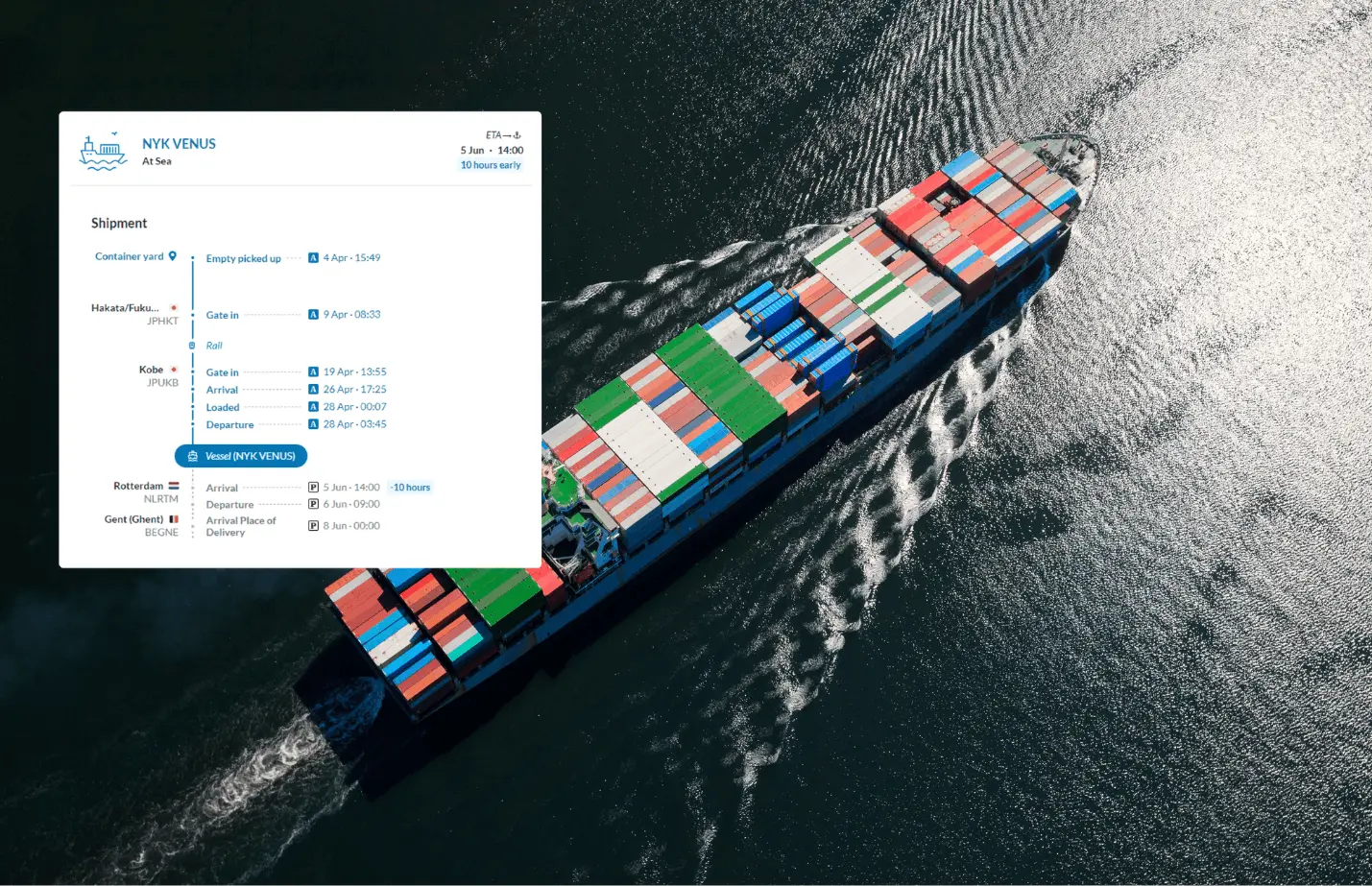
BuyCo’s approach focuses on improving ETA accuracy at the booking stage rather than simply tracking containers after they have already departed.
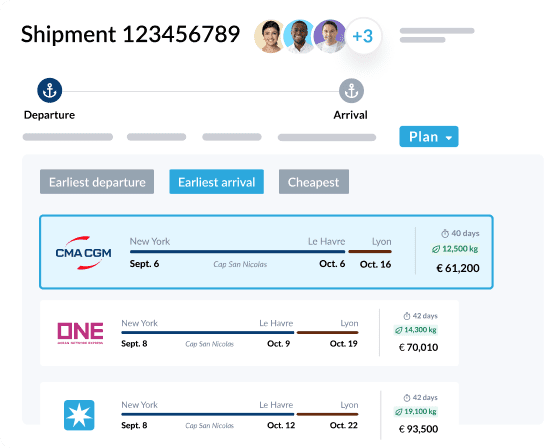
By analyzing historical carrier performance and shipment data, shippers can make better vessel selections, improve planning accuracy, and align transportation choices with business priorities.
Reliable ETA predictions enable teams to balance cost, service levels, inventory requirements, and customer expectations more effectively.
Sustainability Is Becoming an Operational Decision
Another major topic discussed during the interview was the growing role of sustainability in shipping operations.
As regulations such as the EU Emissions Trading System (EU ETS) introduce direct financial consequences for emissions, CO₂ is becoming a business metric rather than simply a reporting requirement.
BuyCo helps customers incorporate CO₂ data directly into booking decisions, allowing them to compare transportation options based on emissions alongside traditional criteria such as cost and transit time.
The results can be significant. Some organizations have already achieved meaningful emissions reductions by using more accurate shipment and vessel-level data to guide routing decisions.
Neutral Data Creates Better Decisions
Whether evaluating carrier performance, emissions, or operational reliability, Carl emphasized the importance of neutral and transparent data.
Supply chains involve many stakeholders with different objectives. Independent visibility enables organizations to make informed decisions based on facts rather than assumptions.
This becomes even more important during periods of disruption, when accurate information can help companies understand the scope of issues, prioritize responses, and minimize business impact.
The Next Decade of Shipping Will Be Defined by Automation
Looking ahead, Carl expects many of today’s manual shipping activities to become highly automated.
Tasks such as vessel selection, booking management, document processing, shipment creation, and operational tracking will increasingly be handled by digital workflows and AI-powered systems.
As routine work becomes automated, logistics professionals will spend more time managing exceptions, making strategic decisions, and improving supply chain performance.
The goal is not to remove humans from the process, but to eliminate friction and enable teams to focus on the decisions that create the most value.
Building the Next Generation of Supply Chain Operations
The shipping industry remains one of the most complex environments in global commerce. Yet advances in data connectivity, automation, AI, and supply chain visibility are creating new opportunities to simplify operations and improve collaboration across stakeholders.
The future of shipping will not be driven by technology alone. It will be driven by better data, stronger partnerships, and smarter decision making.
For logistics teams looking to improve efficiency, increase visibility, reduce emissions, and strengthen carrier collaboration, the opportunity lies in transforming operational complexity into actionable intelligence.