
Your organization has invested heavily in a robust Transportation Management System (TMS) to manage logistics. Systems like SAP TM and Oracle OTM are the central nervous system of your supply chain, yet when it comes to the complexities of ocean freight, your teams are still bogged down by manual processes, endless email chains, and a frustrating lack of visibility. This critical leg of your global supply chain feels disconnected from your core system, creating operational friction, driving up costs, and leaving you blind to costly exceptions.
The hard truth is that standard TMS platforms, while powerful for land-based logistics, were not built to handle the unique demands of container shipping. They lack the specialized features for direct carrier booking, real-time container tracking, and managing the intricate web of maritime-specific documentation. This forces your teams into inefficient workarounds with spreadsheets and external carrier portals.
The solution isn’t to replace your TMS but to enhance it. This article explores the essential features of a leading ocean freight software that integrates with your TMS, showing you how a specialized platform can fill these critical gaps. You will learn how to gain the visibility and control needed to master your maritime supply chain.
Key Takeaways
- A standard TMS is often not enough to manage the complexity of ocean freight end to end.
- SAP TM and Oracle OTM can remain the core logistics system, but may need ocean-specific capabilities around booking, tracking, documentation, and exceptions.
- Manual workarounds, spreadsheets, emails, and carrier portals create visibility gaps and operational friction.
- BuyCo helps enhance existing TMS environments by adding ocean freight visibility, automation, and collaboration tools.
- The goal is not to replace your TMS, but to strengthen it with better ocean freight control.
The Problem with Using a Standard TMS for Ocean Freight
While enterprise TMS platforms such as SAP TM and Oracle OTM are powerful systems for logistics planning and execution, many shipper deployments still require additional ocean-specific capabilities, carrier connectivity, or visibility layers to manage container shipping at a granular operational level. For large-volume shippers, these gaps create significant challenges and tangible costs
Where Traditional TMS Platforms Fall Short
Even when companies use leading TMS platforms such as SAP Transportation Management and Oracle Transportation Management, ocean freight teams may still face challenges when carrier connectivity, real-time container visibility, documentation workflows, or partner collaboration are not fully integrated into the operating model.
- Inefficient Document Management: Many TMS deployments require additional configuration, integrations, or specialised tools to manage ocean-specific documents such as Bills of Lading, Shipping Instructions, and VGM declarations efficiently.
- Limited Ocean Visibility: In many setups, container visibility still depends on carrier milestones, EDI messages, or third-party updates. Without additional predictive data sources, this can limit ETA accuracy and make exception management more reactive than proactive.
- Disconnected Booking Workflows: Depending on the implementation, a TMS may not provide broad, ready-to-use connectivity with all ocean carriers for schedule search, booking execution, status updates, and documentation exchange [2]. This forces your operations team to perform these critical tasks manually in external portals, breaking the data flow and creating information silos outside your TMS.
The Consequences for Your Business
These operational gaps can contribute to higher costs, slower execution, and increased risk exposure.
- Increased Operational Costs: Inefficiency is expensive. Limited visibility and manual workflows can increase the risk of demurrage and detention fees, missed cut-offs, premium freight decisions, and administrative overhead.
- Lack of Control and Proactivity: Without a single source of truth for your maritime supply chain, you cannot effectively monitor performance, anticipate delays, or make data-driven decisions. This forces your organization to operate reactively, impacting everything from production planning to customer satisfaction.
- Wasted Time and Resources: Your teams become trapped in a cycle of manual data entry, cross-referencing information in spreadsheets, and chasing updates across countless email threads. This reduces productivity and increases the risk of errors in critical shipment data.
Your Guide to Choosing the Best Container Shipping Software that Integrates With TMS
To overcome these challenges, you need a platform that complements and enhances your existing systems. Here are the non-negotiable features to demand and the key questions to ask during your evaluation process.
1. Prioritize Seamless, Bi-Directional Integration
The platform’s ability to integrate with your core systems is paramount. It must enrich, not complicate, your existing tech stack. Look for an API-centric solution that guarantees fast, bi-directional integration with your TMS, SAP TM, or Oracle OTM. A proper integration ensures your TMS remains the central system of record while being powered by specialized, real-time ocean data.
Actionable Questions to Ask:
- Can you provide documentation for your APIs?
- What is your typical deployment timeline for a customer using our specific TMS/ERP?
- Can you share case studies of successful integrations with systems like ours?
2. Demand Comprehensive End-to-End Visibility
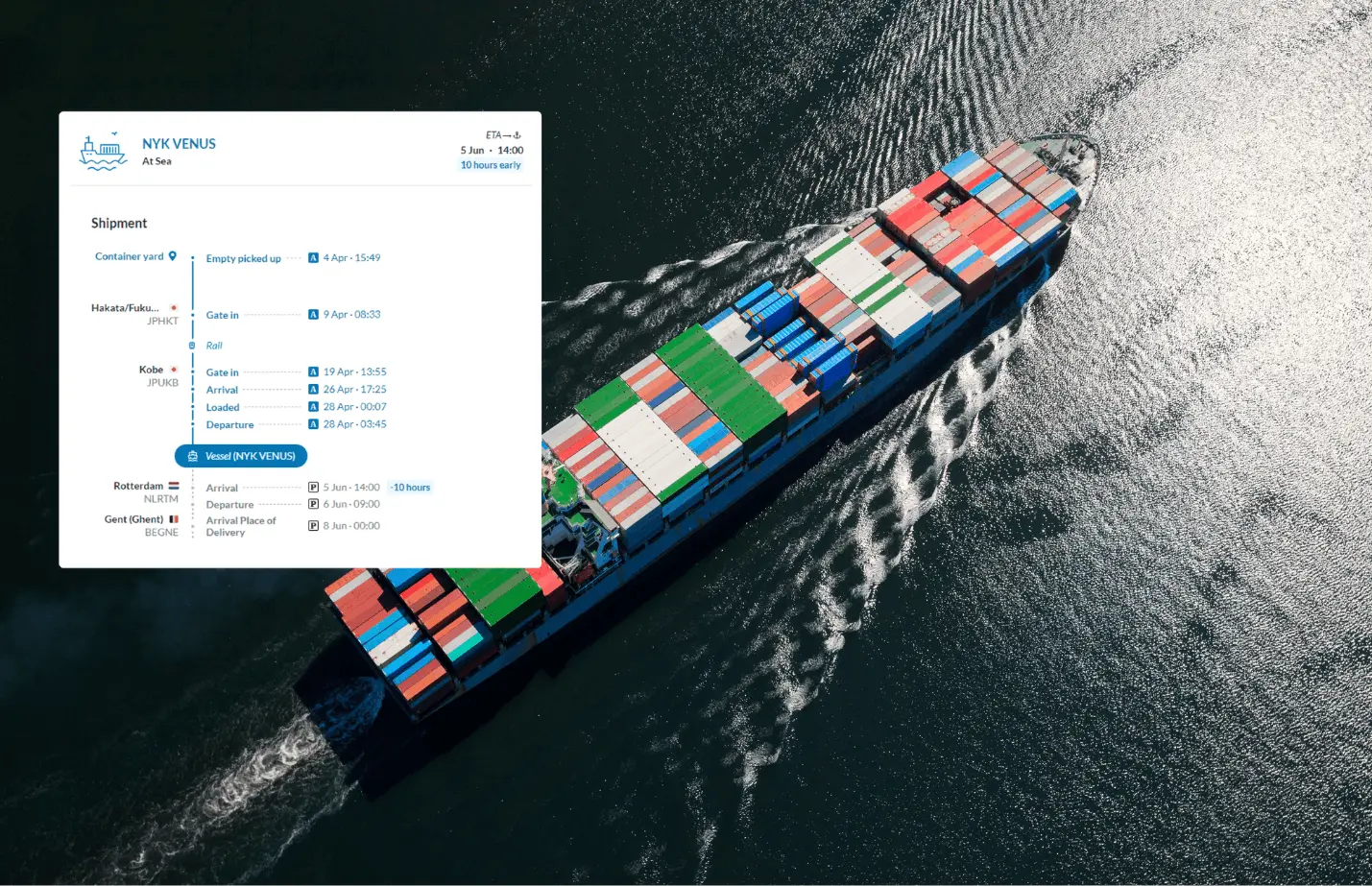
True visibility is predictive and actionable. Demand a platform that offers real-time,door-to-door container tracking powered by multiple data sources including AIS, carrier data, and terminal information to provide reliable, predictive ETAs. Crucially, the software must provide automated exception management and supply chain visibility that proactively alerts your team to solve problems, not just find them.
Actionable Questions to Ask:
- What specific data sources do you use to generate predictive ETAs?
- How are exception alerts configured and delivered to our team?
- Can we see the entire container journey, including inland pre- and post-carriage, on your platform?
3. Insist on Automation of Core Ocean Processes
To achieve significant productivity gains, the platform must automate the most time-consuming manual tasks. Ensure your chosen solution includes:
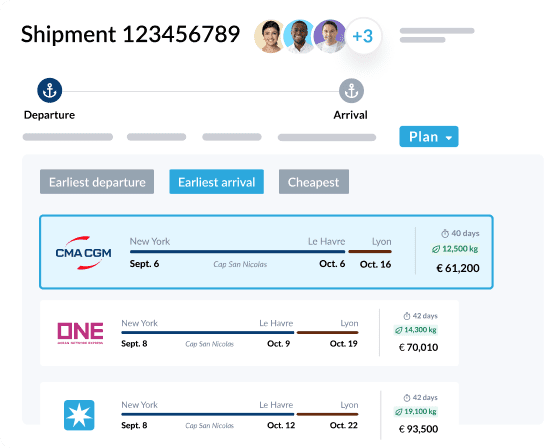
- Smart Planning & Booking: The ability to search vessel schedules from all your carriers and execute bookings directly on the platform is a game-changer.
- Automated Documentation: The platform must automate the creation, submission, and management of crucial documents like Shipping Instructions and VGM declarations.
- Streamlined Inland Coordination: The software should centralize communication and automate data exchange with truckers to ensure smooth transitions from port to final destination.
Actionable Questions to Ask:
- How many ocean carriers are connected for direct booking on your platform?
- Does your system automate the submission of VGMs and SIs and track their acceptance by the carrier?
- How does your platform facilitate communication and data sharing with our inland transportation partners?
4. Ensure a Centralized Collaboration Hub
An ocean shipment involves numerous stakeholders. Your software should act as a central hub, replacing scattered emails and phone calls. Look for features that streamline inland coordination and connect your internal teams with all external logistics partners, ensuring everyone works from the same up-to-date information.
Actionable Questions to Ask:
- How are external partners like freight forwarders and truckers onboarded to the platform?
- Can we set different permission levels for what various partners can see and do?
- Does the platform log all communications and actions for a complete audit trail?
How BuyCo Enhances Your TMS, SAP TM, and Oracle OTM
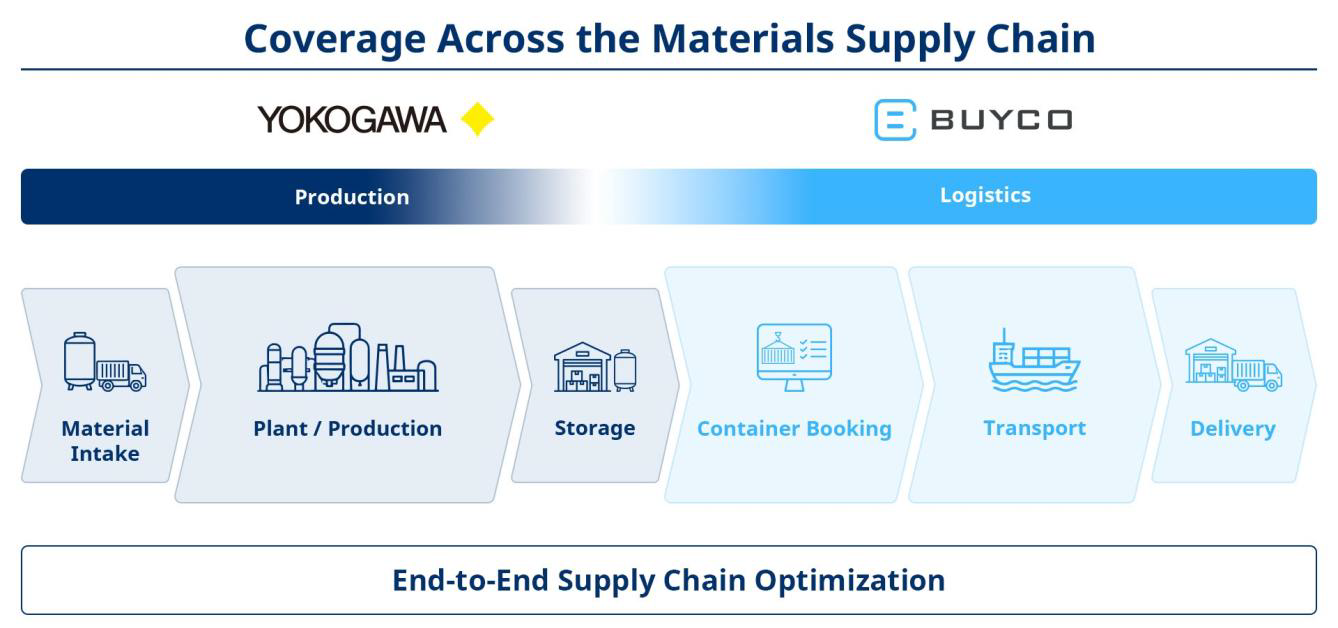
The BuyCo Platform is the specialized layer your TMS is missing. As an ocean freight platform that integrates with SAP TM, Oracle OTM, and other leading systems, it provides the specific tools and visibility needed for modern container shipping. It’s designed not to replace your TMS, but to make it more powerful by providing a complete ocean freight solution to enhance your TMS.
A Purpose-Built Platform to Fill Ocean-Specific Gaps
BuyCo was built from the ground up by shippers, for shippers, to solve the unique challenges of container shipping.
- Gain Total Visibility and Control: The BuyCo Platform delivers the real-time, multi-source visibility that standard TMSs often lack. It gives importers and exporters a single source of truth for all ocean shipments, empowering them with predictive ETAs and proactive exception management. This level of control allows shippers to achieve tangible results, like reducing demurrage and detention costs by 25-40% and cutting expedited shipments by up to 80%.
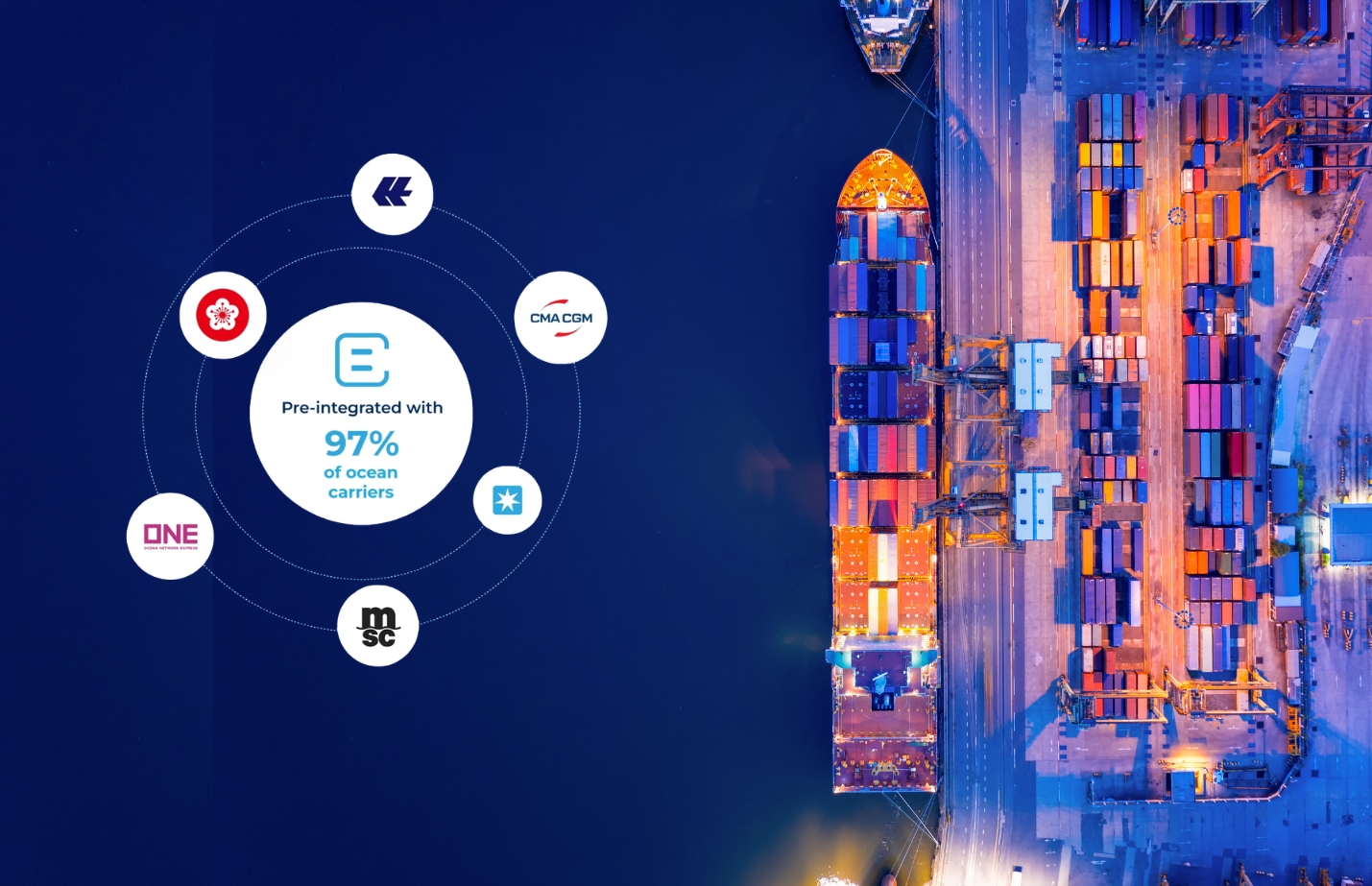
- Automate to Increase Productivity: By automating tedious tasks like searching schedules, booking containers across 97% of global carriers, and submitting documentation, BuyCo helps you streamline processes. This allows your team to stop managing spreadsheets and start focusing on high-impact, strategic activities.
- Centralize Collaboration: The BuyCo Platform connects all your logistics partners carriers, forwarders, and truckers in one place. This simplifies communication and ensures everyone works from the same data, reducing confusion and errors.
Proven, Seamless Integration with Your Ecosystem
The BuyCo Platform is an API-centric solution designed for rapid deployment in as little as six weeks and seamless, bi-directional integration with major ERP and TMS systems. As an official SAP Partner, BuyCo has a proven track record of connecting with complex enterprise environments. We provide a structured, ISO 27001-compliant integration process and a dedicated project team to ensure a smooth, secure connection to your existing systems.
Real-World Success: Enhancing SAP for Global Shippers
Global shippers across industries have successfully integrated the BuyCo Platform with their SAP systems to achieve significant results. For example, the global food producer Bel saved 670 hours annually just by eliminating the need to search for information. Others have transformed their operations by reducing costs, improving efficiency, and gaining the supply chain visibility needed to compete. You can explore their stories and see the quantifiable impact on our case studies page.
FAQ: Ocean Freight Software That Integrates With TMS, SAP TM, and Oracle OTM
What is ocean freight software that integrates with a TMS?
Ocean freight software that integrates with a TMS is a specialised platform that connects container shipping workflows with systems such as SAP TM, Oracle OTM, or other enterprise transportation platforms. It adds ocean-specific capabilities such as carrier booking, container tracking, predictive ETAs, document management, exception alerts, and collaboration with carriers, forwarders, and inland partners.
Why do companies need ocean freight software if they already use SAP TM or Oracle OTM?
Many companies use SAP TM or Oracle OTM as their core logistics system, but ocean freight often requires additional carrier connectivity, real-time container visibility, documentation workflows, and partner collaboration. A specialised ocean freight platform can enhance the TMS by adding the operational tools needed to manage container shipping more efficiently.
Does ocean freight software replace a TMS?
No. In most enterprise setups, ocean freight software does not replace the TMS. Instead, it integrates with the TMS to enrich it with ocean-specific execution, visibility, automation, and collaboration capabilities while allowing the TMS to remain the central system of record.
What should shippers look for in container shipping software that integrates with a TMS?
Shippers should look for bi-directional API integration, real-time container tracking, predictive ETAs, direct carrier booking, automated documentation, exception management, inland coordination, permission-based collaboration, and analytics for carrier and shipment performance.
Can ocean freight software integrate with SAP TM?
Yes, ocean freight software can integrate with SAP TM when it offers secure APIs, structured implementation support, and the ability to exchange shipment, booking, milestone, document, and visibility data. For large shippers, this integration helps connect SAP-based planning with ocean freight execution and tracking.
Can ocean freight software integrate with Oracle OTM?
Yes, ocean freight software can integrate with Oracle OTM if it supports API-based or middleware-enabled data exchange. The goal is to connect Oracle OTM with ocean-specific workflows such as carrier bookings, container milestones, predictive ETAs, documentation, and exception alerts.
What are the main benefits of integrating ocean freight software with a TMS?
The main benefits include improved container visibility, fewer manual updates, faster booking and documentation workflows, better exception management, reduced demurrage and detention risk, stronger partner collaboration, and more reliable shipment data inside the company’s core logistics system.
Is BuyCo an ocean freight platform that integrates with TMS systems?
Yes. BuyCo is an ocean freight management platform designed to integrate with enterprise systems such as SAP TM, Oracle OTM, and other TMS or ERP environments. It helps shippers centralise ocean freight execution, visibility, documentation, and collaboration while keeping their existing systems connected.
Conclusion: Stop Patching Your TMS and Start Enhancing It
Manual AES filing can introduce inefficiencies and operational risks. In an increasingly complex supply chain environment, more integrated and automated workflows are becoming essential. Embedding compliance into structured processes can help improve accuracy, coordination, and overall efficiency.
Trying to manage the complexities of modern ocean freight with a generic TMS is a recipe for inefficiency, high costs, and a constant lack of control. You cannot afford to operate with blind spots in the most critical leg of your global supply chain.
The key to success is not to abandon your core TMS but to enhance it with a specialized, integrated ocean freight software that integrates with Oracle OTM and SAP TM. The BuyCo Platform provides the visibility, automation, and collaboration tools necessary to fill these gaps. It empowers you to take command of your maritime supply chain, reduce costs, and improve performance.
Ready to unlock the full potential of your TMS and gain complete control over your ocean freight?